
Ultrasound Breakthrough Targets Multiple Brain Networks at Once
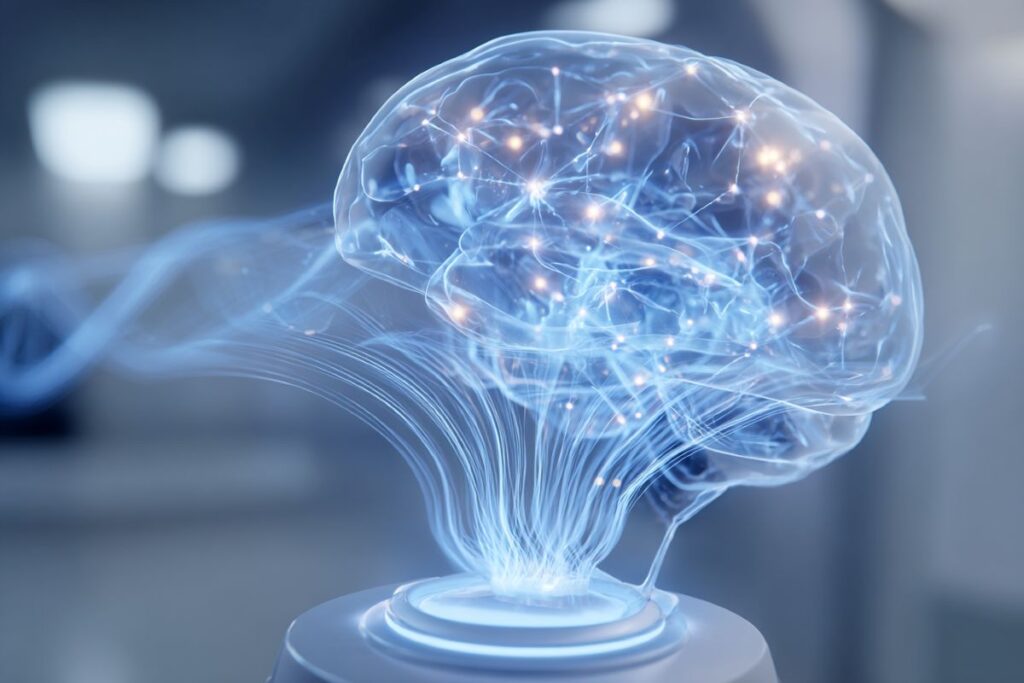
Summary: Researchers have developed a groundbreaking ultrasound device that can stimulate several precise points in the brain at the same time, marking a leap forward in non-invasive neuromodulation. Unlike earlier single-spot approaches, this technology uses lower-intensity ultrasound pulses that reduce risks of overheating and uncontrolled brain excitation. The method also allows scientists to simultaneously visualize […]
Long COVID Linked to Surge in POTS Cases

Summary: Researchers have found that postural orthostatic tachycardia syndrome (POTS) occurs in almost a third of patients with severe long COVID, making it far more common than in the general population. The study, the largest to date on the subject, showed that middle-aged women were most affected, with symptoms including dizziness, rapid heart rate, fatigue, […]
How the Brain’s GPS System Falters With Age
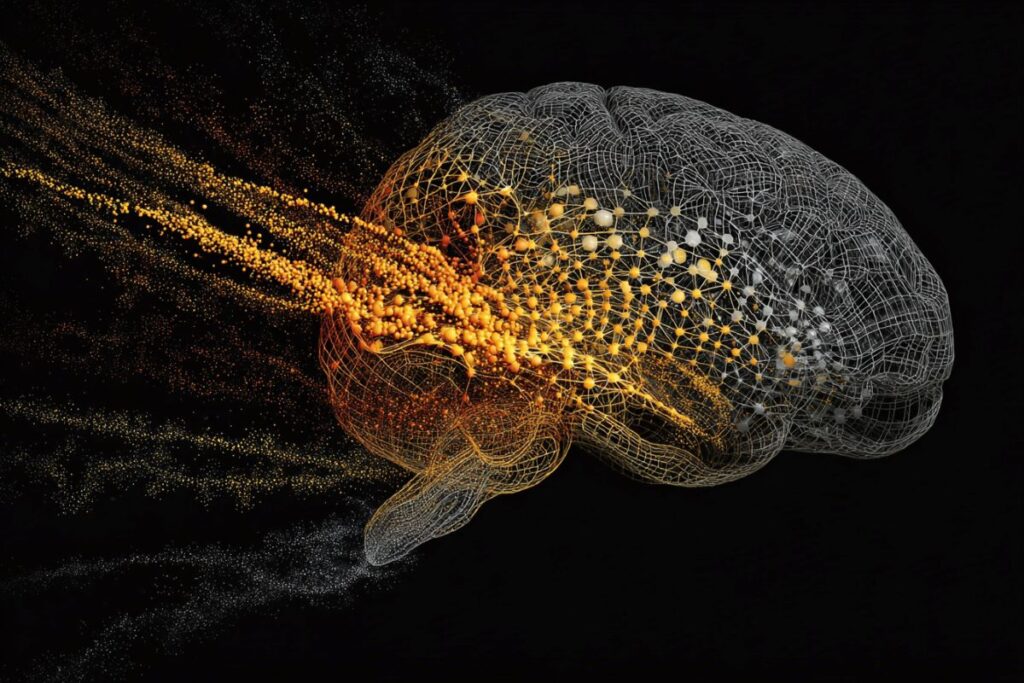
Summary: Spatial memory — the ability to recall “where” — is one of the first cognitive skills to decline in aging and a hallmark of dementia. Researchers found that in older mice, grid cells in the medial entorhinal cortex, which act like the brain’s GPS, became unstable and less precise. This led to difficulty distinguishing […]
Tiny Fat Messengers May Link Obesity to Alzheimer’s Plaque Buildup
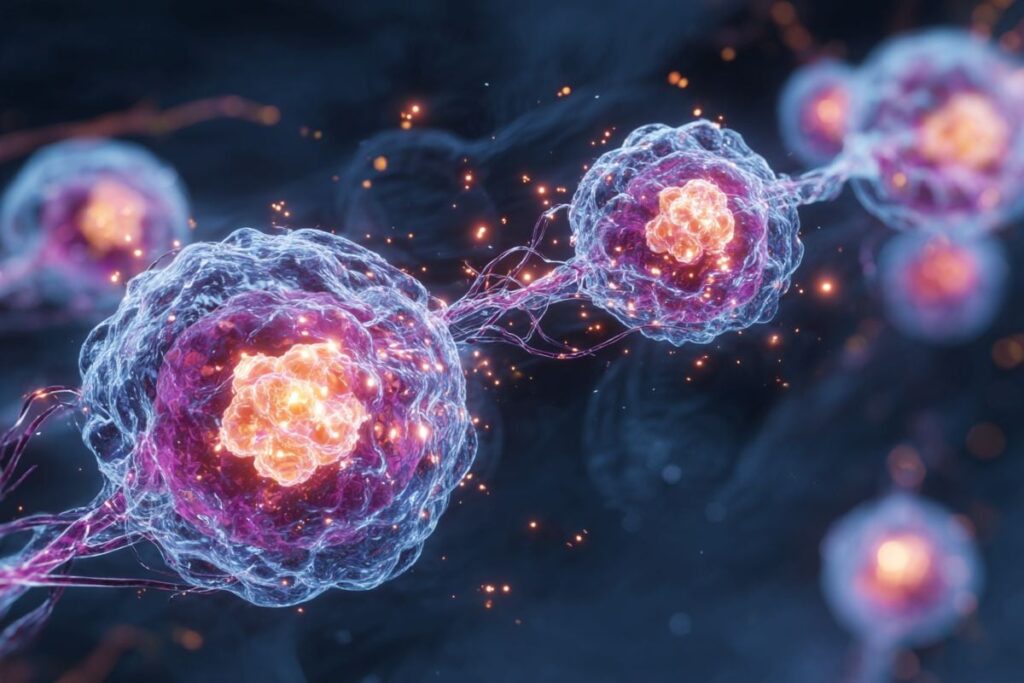
Summary: A groundbreaking study reveals how obesity may drive Alzheimer’s disease through tiny messengers called extracellular vesicles released from fat tissue. These vesicles carry lipids that alter how quickly amyloid-β plaques form, a hallmark of Alzheimer’s. Because they can cross the blood-brain barrier, they act as a direct communication line between body fat and the […]
Vision Therapy Restores Sight in Post-Concussion Eye Disorders
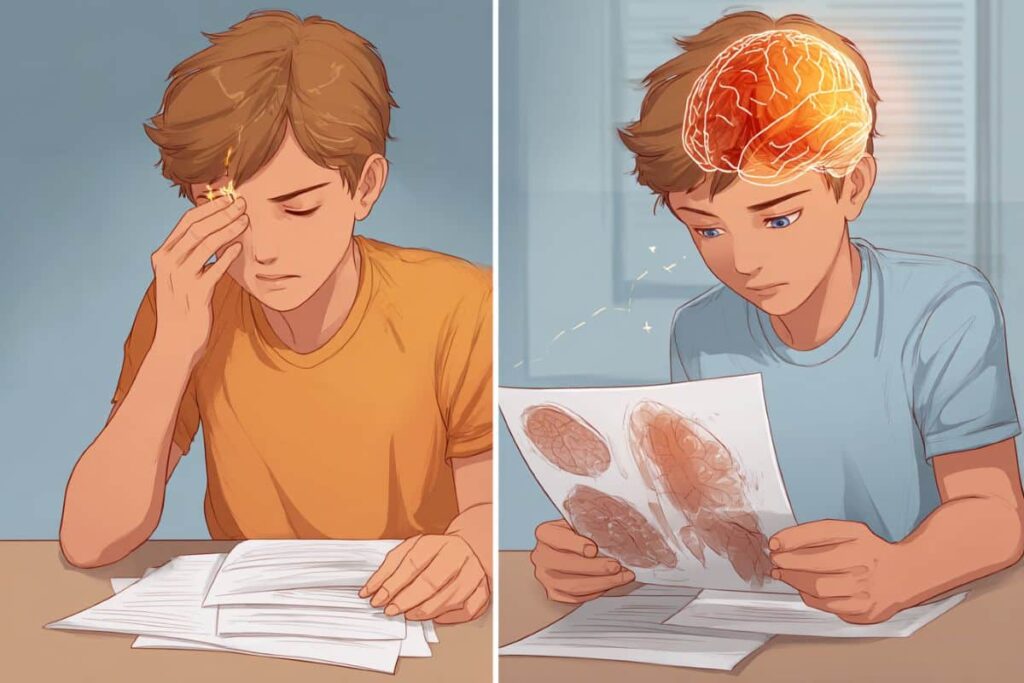
Summary: Concussions can leave lasting effects on vision, with nearly half of young patients experiencing disorders that disrupt daily life and delay return to normal activities. A new study shows that 12 weeks of targeted vision therapy restored normal vision in almost 90% of adolescents and young adults, compared to only 10% who improved without […]
Teen Solitude Linked to Measurable Changes in Brain Networks

Summary: Adolescents who regularly choose solitude over social connection show measurable differences in brain structure and function, according to a large neuroimaging study. Brain scans revealed altered activity and weaker connections in regions tied to social and emotional processing, with changes spanning multiple cognitive networks. These widespread differences suggest that persistent withdrawal could increase vulnerability […]
Psilocybin Rewire Brain Circuits Tied to Pain and Mood

Summary: New research shows that psilocybin, the active compound in psychedelic mushrooms, can reduce both chronic pain and pain-related depression by modulating brain circuits rather than acting at the site of injury. In mouse studies, a single dose provided pain relief and mood benefits lasting nearly two weeks by targeting the anterior cingulate cortex. Unlike […]
From Cancer to Alzheimer’s: Decoding RNA-Protein Signals

Summary: Scientists have created a breakthrough technology that reveals the entire network of RNA-protein interactions in human cells, offering new insights into how diseases develop. The method freezes and tags RNAs and proteins as they touch, turning them into unique DNA barcodes that can be decoded with sequencing. In tests, the system uncovered more than […]
Dietary RNA Molecules May Hold the Key to Slowing Cellular Aging

Summary: Living longer doesn’t always mean living healthier, and researchers are exploring how diet can extend healthspan. A study in worms shows that specific dietary RNA molecules protect cells from harmful protein build-up, a major driver of aging and age-related disease. These RNAs activate stress responses and autophagy, enhancing resilience and slowing cellular aging across […]
ALS May Be an Autoimmune Disease

Summary: A groundbreaking study has shown that ALS may actually be an autoimmune disease. Researchers discovered that CD4+ T cells attack neuron-associated proteins, driving rapid disease progression. Crucially, patients with more anti-inflammatory T cells survived significantly longer, revealing a protective immune response. These findings not only reframe ALS but also point to new treatment strategies […]