
Brain Learning Power Peaks at Specific Times of Day

Summary: A new study reveals that the brain’s responsiveness and capacity for learning shift with the time of day, governed by molecules like adenosine that link metabolism, sleep, and neural signaling. Using optogenetics, researchers found that identical stimuli activated brain cells differently at sunrise versus sunset, suggesting that neuronal excitability and plasticity follow daily rhythms. […]
Low Income, Vision Loss, and Isolation Drive Dementia Risk

Summary: A new study reveals that people with lower incomes and those from historically underrepresented racial and ethnic groups carry a higher burden of modifiable dementia risk factors. Vision loss and social isolation were among the most significant contributors for those living below the poverty line, suggesting that better access to healthcare and community support […]
Low Omega-3 Linked to Higher ADHD Symptoms

Summary: A new study reveals that low omega-3 fatty acid intake is associated with increased ADHD symptoms among Palestinian adolescents. Researchers found that socioeconomic disparities—particularly those limiting access to omega-3–rich foods like fish and nuts—intensify ADHD-related behavioral and attention difficulties. Even after accounting for income and education, omega-3 deficiency remained a significant predictor of symptom […]
Alzheimer’s Drug Reduces Amyloid but Fails to Restore Brain Waste Flow
Summary: Researchers found that lecanemab, the Alzheimer’s drug designed to clear amyloid-β plaques, does not improve the brain’s waste clearance system in the short term. In a three-month study using MRI-based DTI-ALPS imaging, scientists observed no measurable recovery in glymphatic function after treatment. This suggests that once neuronal and clearance system damage occurs, it may […]
Speaking Multiple Languages May Slow Down Biological Aging
Summary: A large-scale study of more than 86,000 Europeans found that speaking multiple languages may help slow biological and cognitive aging. Using artificial intelligence to assess “biobehavioral age gaps,” researchers discovered that multilingual individuals were over twice as likely to show signs of healthy aging compared to monolinguals. The benefits were cumulative—the more languages a […]
Genome Study Reveals True Genetic Influence on Traits

Summary: Using full genome sequencing data from more than 347,000 individuals, researchers quantified how much genetic differences explain human traits such as height, body mass index, fertility, and disease risk. The results show that genes account for roughly 30% of the variation between individuals, with higher estimates for traits like height and lower for fertility. […]
Rivalry Rewires the Brain: Why Fans Lose Control in an Instant
Summary: New brain-imaging research shows that soccer fans experience rapid shifts in reward and self-control circuits when their team wins or loses against a rival. Victories trigger heightened reward responses, while defeats suppress the dorsal anterior cingulate cortex, the brain region responsible for regulating emotion and behavior. Highly fanatic fans show the strongest imbalance, offering […]
Estrogen Shapes Dopamine Reward Learning
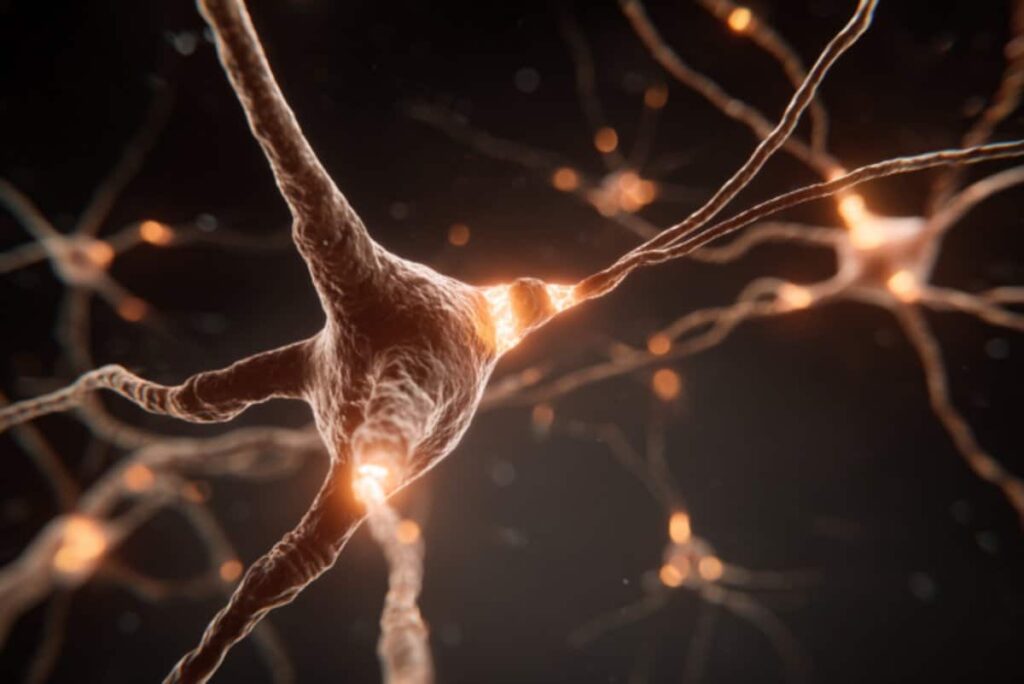
Summary: A new study shows that estrogen naturally modulates dopamine signaling in the brain, altering how female rats learn reward cues across the reproductive cycle. When estrogen levels were high, dopamine responses in the reward center intensified, improving learning. When estrogen signaling was suppressed, reward learning weakened, revealing a direct biological link between hormones and […]
Everyday Speech May Reveal Early Cognitive Decline

Summary: Researchers found that everyday speech timing — including pauses, fillers, and subtle patterns — strongly reflects executive function, a key cognitive system that supports memory and flexible thinking. Using AI to analyze natural speech, the study showed that these linguistic features can predict cognitive-test performance independent of age, sex, or education. Because speech is […]
AI Models Form Theory-of-Mind Beliefs
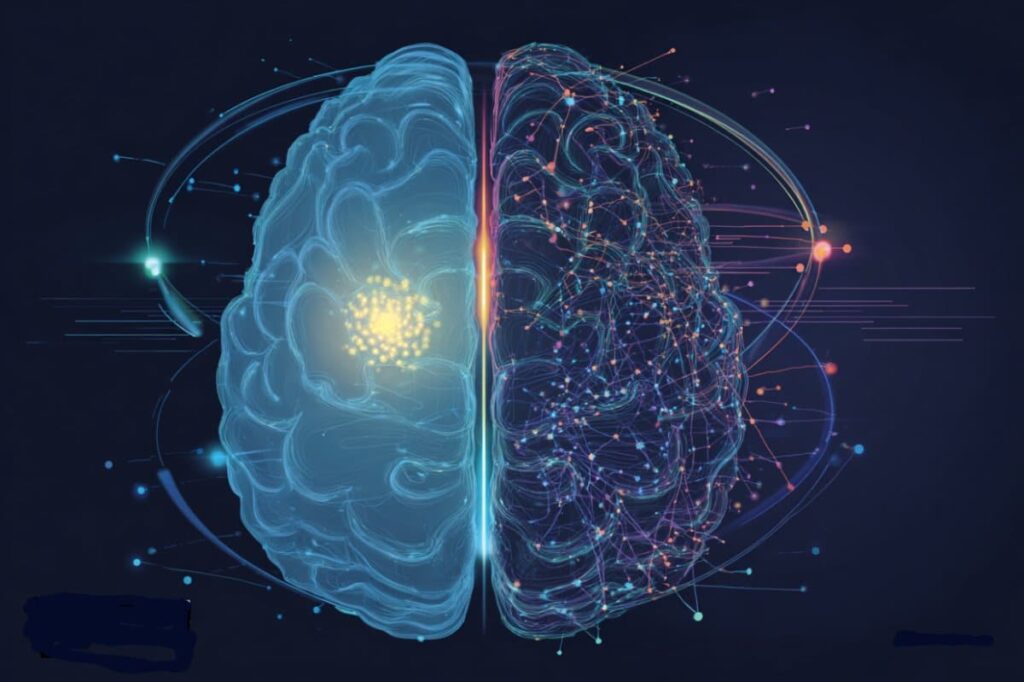
Summary: Researchers showed that large language models use a small, specialized subset of parameters to perform Theory-of-Mind reasoning, despite activating their full network for every task. This sparse internal circuitry depends heavily on positional encoding, especially rotary positional encoding, which shapes how the model tracks beliefs and perspectives. Because humans perform these social inferences with […]