
Genetic Roots of Depression Reveal Strong Suicide Risk Signals
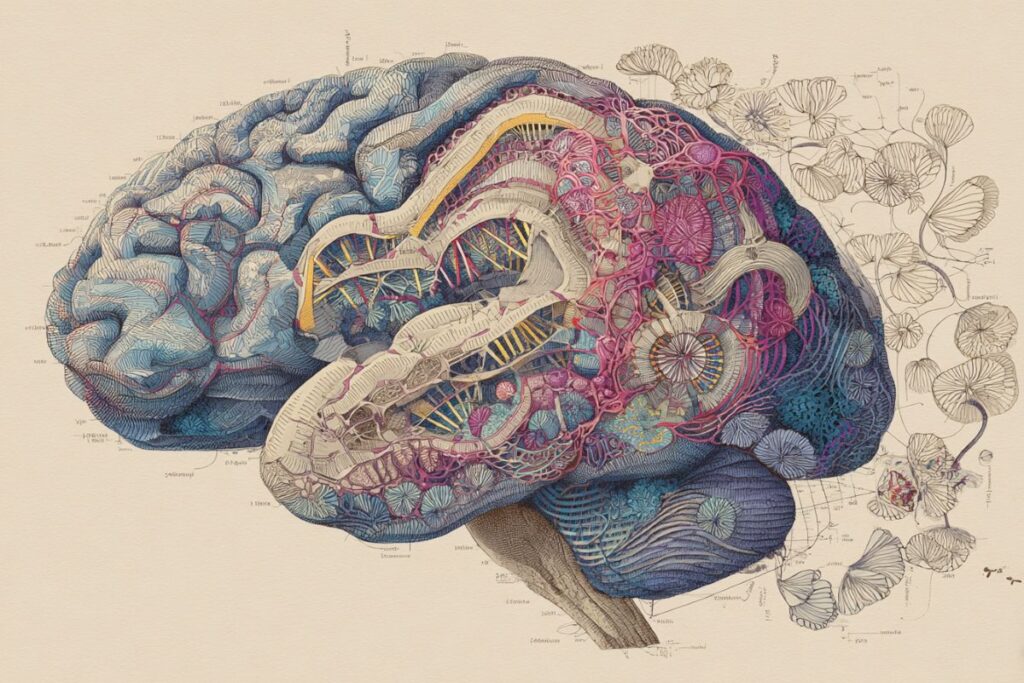
Summary: New research shows that depression beginning before age 25 has a much stronger hereditary component than depression that emerges later in life. By analyzing genetic data from over 150,000 people with depression, researchers identified distinct genetic regions linked specifically to early-onset cases. Individuals with high genetic risk for early-onset depression were twice as likely […]
Why Sharing Good Deeds Feels Bad

Summary: New research shows that people often feel worse when telling others about their good deeds than when keeping them private or discussing personal achievements. Across five studies, participants predicted more shame and embarrassment when sharing altruistic acts, partly because they feared appearing motivated by social credit. This “do-gooder dilemma” intensifies on social media, where […]
No Evidence the Gut Microbiome Causes Autism
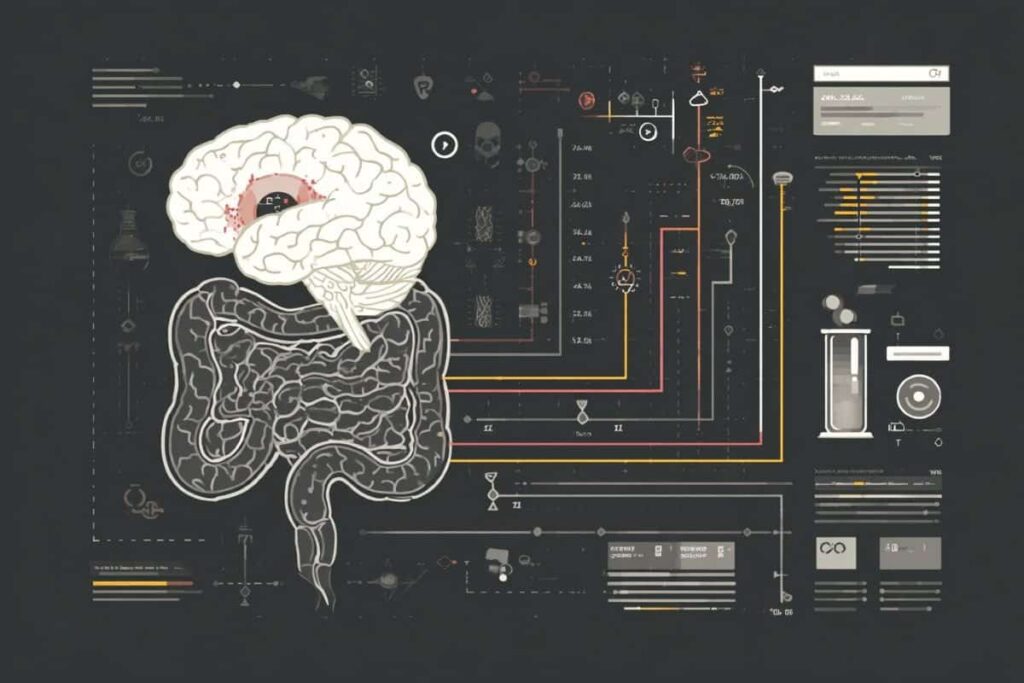
Summary: Experts reviewing decades of research conclude there is no scientific evidence that the gut microbiome causes autism. They highlight major flaws in observational studies, mouse experiments, and clinical trials, including inadequate sample sizes and contradictory findings. Many differences in gut microbes disappear once diet or family-related factors are accounted for, indicating autism may shape […]
Why Women Face Worse Long COVID

Summary: New research reveals that women with long COVID show distinct biological disruptions — including gut inflammation, anemia, and abnormal hormone levels — that may explain their heightened and persistent symptoms. These findings emerged from immune, biomarker, and genetic analyses in people one year after infection. Hormone imbalances, especially reduced testosterone in women, were strongly […]
The Hidden Risks You Make Every Day

Summary: Researchers surveyed more than 4,300 people to create the first large-scale inventory of modern real-life risky choices, revealing which decisions people actually struggle with in daily life. The most common risks weren’t financial or recreational—they were job-related choices, such as quitting or starting a new role, followed by health, financial, and social decisions. Despite […]
Brain Learning Power Peaks at Specific Times of Day

Summary: A new study reveals that the brain’s responsiveness and capacity for learning shift with the time of day, governed by molecules like adenosine that link metabolism, sleep, and neural signaling. Using optogenetics, researchers found that identical stimuli activated brain cells differently at sunrise versus sunset, suggesting that neuronal excitability and plasticity follow daily rhythms. […]
Low Income, Vision Loss, and Isolation Drive Dementia Risk

Summary: A new study reveals that people with lower incomes and those from historically underrepresented racial and ethnic groups carry a higher burden of modifiable dementia risk factors. Vision loss and social isolation were among the most significant contributors for those living below the poverty line, suggesting that better access to healthcare and community support […]
Low Omega-3 Linked to Higher ADHD Symptoms

Summary: A new study reveals that low omega-3 fatty acid intake is associated with increased ADHD symptoms among Palestinian adolescents. Researchers found that socioeconomic disparities—particularly those limiting access to omega-3–rich foods like fish and nuts—intensify ADHD-related behavioral and attention difficulties. Even after accounting for income and education, omega-3 deficiency remained a significant predictor of symptom […]
Alzheimer’s Drug Reduces Amyloid but Fails to Restore Brain Waste Flow

Summary: Researchers found that lecanemab, the Alzheimer’s drug designed to clear amyloid-β plaques, does not improve the brain’s waste clearance system in the short term. In a three-month study using MRI-based DTI-ALPS imaging, scientists observed no measurable recovery in glymphatic function after treatment. This suggests that once neuronal and clearance system damage occurs, it may […]
Speaking Multiple Languages May Slow Down Biological Aging

Summary: A large-scale study of more than 86,000 Europeans found that speaking multiple languages may help slow biological and cognitive aging. Using artificial intelligence to assess “biobehavioral age gaps,” researchers discovered that multilingual individuals were over twice as likely to show signs of healthy aging compared to monolinguals. The benefits were cumulative—the more languages a […]