
Metal–Organic Framework Neurons Mimic Brain Signals with Dopamine

Summary: Researchers have developed the first metal–organic framework (MOF) neuron that mimics brain-like behavior in aqueous environments by responding to dopamine. Unlike traditional solid-state devices, this MOF neuron reproduces key neural functions such as synaptic plasticity, integrate-and-fire signaling, and dopamine-tuned spike modulation. In a proof-of-concept experiment, researchers used the neuron to control a robotic hand, […]
Autism Gene Found to Alter Brain’s Social Hormone Signals

Summary: A new study reveals how a mutation in the Shank3 gene, associated with autism, alters social behavior by disrupting vasopressin release in the brain. In mice, this mutation reduced sociability and defensive aggression by limiting vasopressin reaching the lateral septum. Researchers showed that vasopressin acts through two distinct receptors: AVPR1a for sociability and AVPR1b […]
Astrocyte Disruption Tied to Depression After Childhood Stress

Summary: Researchers have shown that astrocytes in the lateral hypothalamus play a pivotal role in how stress shapes behavior, particularly after early-life adversity. In mice, stress led to smaller, less branched astrocytes and abnormal orexin neuron activity, with sex-specific patterns in activity levels. By deleting stress hormone receptors in astrocytes, the scientists were able to […]
Why Babies Babble: New Clues Reveal Language Origins

Summary: Human babies’ babbling is more than cute noise—it’s a feedback-driven learning strategy that sets the foundation for language. A new study shows that marmoset monkeys, despite being distant relatives, also babble and learn faster when adults respond, suggesting a shared mechanism. Researchers found that humans and marmosets both undergo rapid brain growth right after […]
AI Robots Learn Touch and Vision to Handle Objects Like Humans

Summary: A new breakthrough shows how robots can now integrate both sight and touch to handle objects with greater accuracy, similar to humans. Researchers developed TactileAloha, a system that combines visual and tactile inputs, enabling robotic arms to adapt more flexibly to real-world tasks. Unlike vision-only systems, this approach allowed robots to manage challenging objects […]
How the Brain Extinguishes Fear Memories
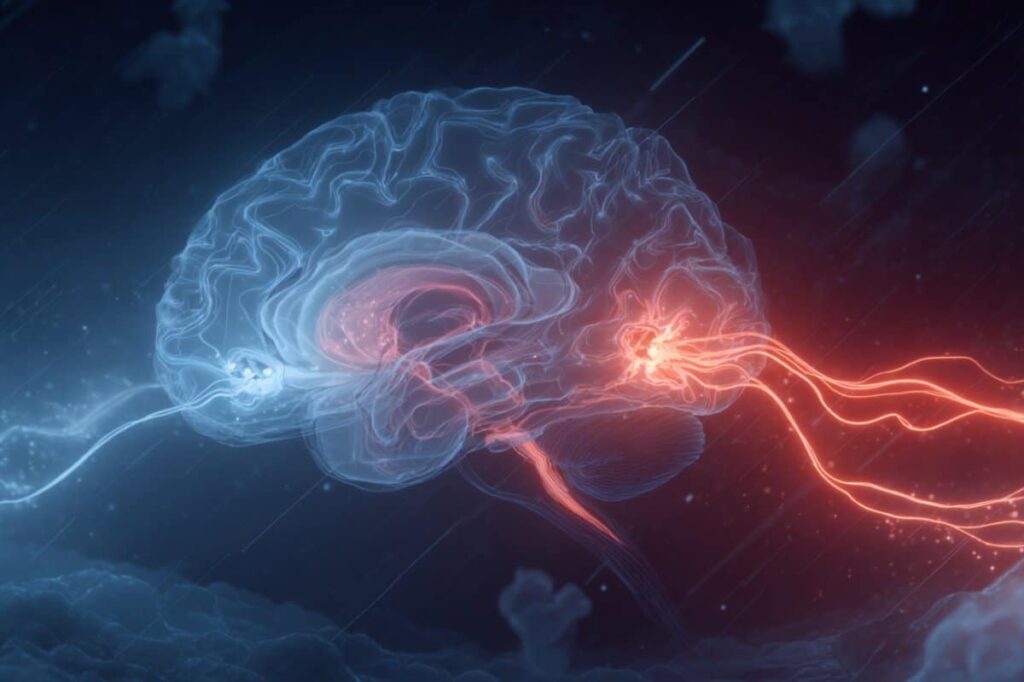
Summary: Scientists have, for the first time, identified the brain signals linked to extinguishing fear memories in humans. Using implanted electrodes and advanced Representational Similarity Analysis, they showed that theta activity in the amygdala increases when previously unpleasant cues are re-learned as safe. These extinction memories were found to be highly context-specific, explaining why fear […]
Cheerful Music Could Be the Cure for Carsickness

Summary: Researchers using a driving simulator found that music can significantly influence recovery from motion sickness. Participants who listened to joyful or soft music reported the greatest relief, while sad music hindered recovery. EEG scans revealed changes in brain activity linked to symptoms, suggesting music affects both emotion and neural activity. The results highlight music […]
New Brain Map Shows How Decisions Emerge Across the Brain
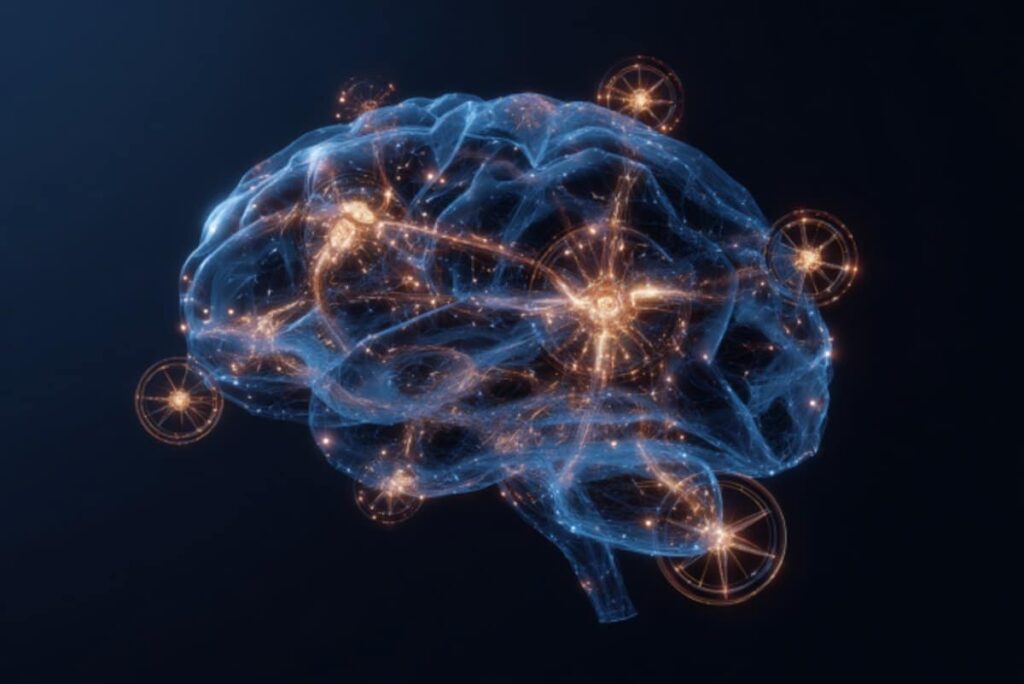
Summary: In a groundbreaking collaboration, scientists created the first complete brain-wide map of decision-making in mammals, charting the activity of more than 600,000 neurons across 279 regions in mice. Using steering wheel tasks and high-density electrode recordings, they found that decision-related signals are far more widely distributed across the brain than previously thought. This challenges […]
Sex Shapes the Course of Bipolar Disorder and Schizophrenia

Summary: A large multicenter study has revealed that sex influences the course and characteristics of schizophrenia and bipolar disorder. Women with schizophrenia tended to begin treatment later, while men with schizophrenia had the highest rates of substance use. Individuals with bipolar disorder showed better functioning and cognitive performance than those with schizophrenia, with women scoring […]
3-Minute Brainwave Test Detects Alzheimer’s Years Before Symptoms
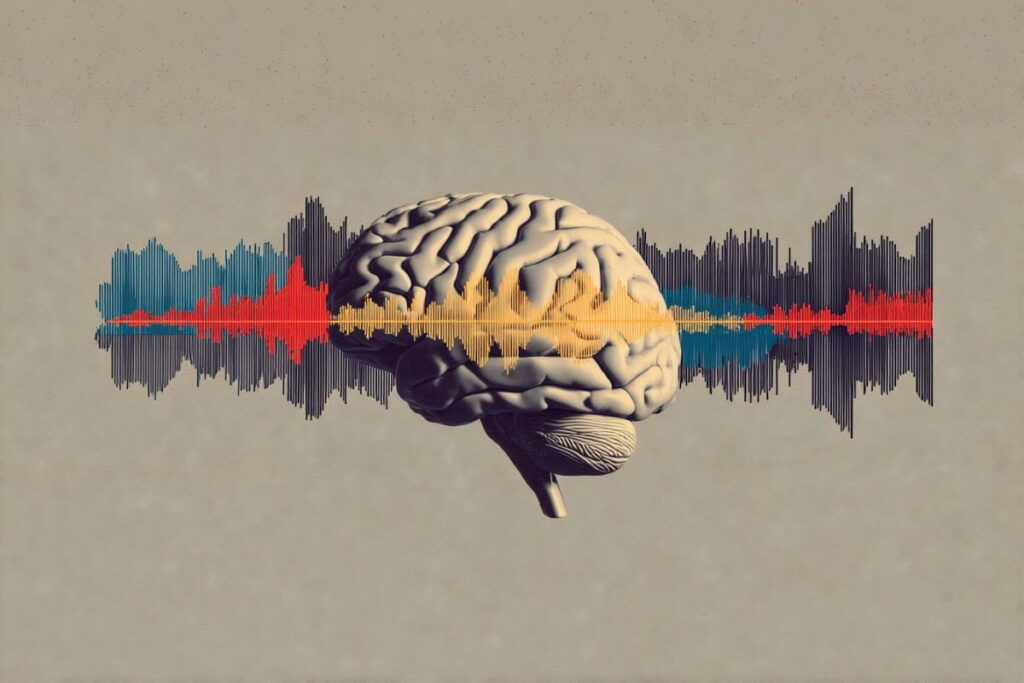
Summary: A team of researchers has developed a simple three-minute brainwave test called Fastball EEG that can detect early signs of memory impairment linked to Alzheimer’s disease. Unlike traditional memory tests, it is passive and requires no active participation, making it more objective and accessible. The study showed Fastball could be successfully used outside clinical […]