
Loneliness Drives Teens to Seek Rewards
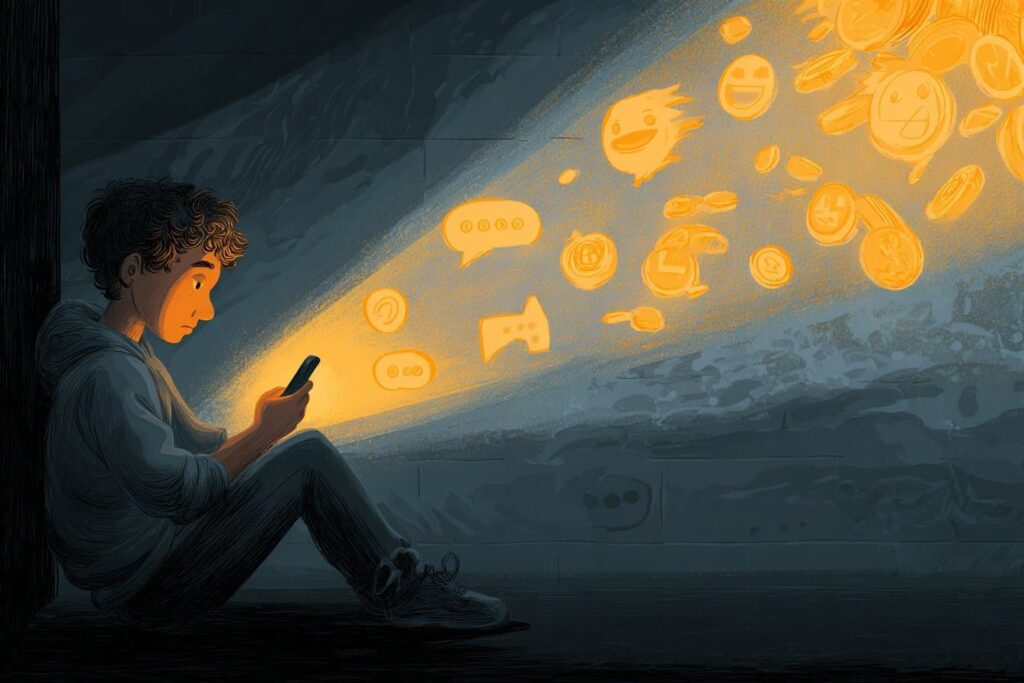
Summary: A new study reveals that adolescents are highly sensitive to even brief periods of social isolation, showing a sharp increase in motivation to seek rewards after just a few hours alone. This heightened drive can encourage reconnection but may also lead to risky behaviors if social contact isn’t available. When teens had access to […]
AI Matches Human Social Perception

Summary: Researchers found that ChatGPT could assess social interactions in videos and images almost as accurately as humans. The AI’s evaluations of social features like cooperation, hostility, and body movements were even more consistent than those of a single person. Using AI instead of human raters saved over 10,000 work hours, offering a cost-effective and […]
Biofeedback Speeds Up Speech Therapy for Struggling Kids

Summary: A large-scale clinical trial tested biofeedback-based therapy for children with residual speech sound disorder, a condition where pronunciation errors persist past age eight. Biofeedback methods—like ultrasound imaging or acoustic displays—gave children visual cues to adjust their tongue movements, accelerating progress with difficult sounds such as “r.” Compared to traditional motor-based approaches, biofeedback led to […]
REM Sleep Reactivation Locks Memories in Place

Summary: Rare adult-born neurons in the hippocampus are reactivated during REM sleep, locking waking experiences into long-term memory. Using genetically modified mice, they found that these neurons fire in the same patterns during sleep as they did during learning. Blocking this reactivation disrupted memory recall, highlighting the essential role of ABNs. The work also revealed […]
Chemotherapy Drug Found to Disrupt Circadian Clock

Summary: Nearly half of cancer patients suffer circadian rhythm disruptions during chemotherapy, worsening side effects. A new study using mice shows that paclitaxel, a common breast cancer drug, may disturb the brain’s master clock without directly entering it. Treated mice displayed irregular circadian gene activity and difficulty adapting to light cues, suggesting disrupted daily rhythms. […]
Hidden DNA Loops Linked to Early Spread of Brain Cancer
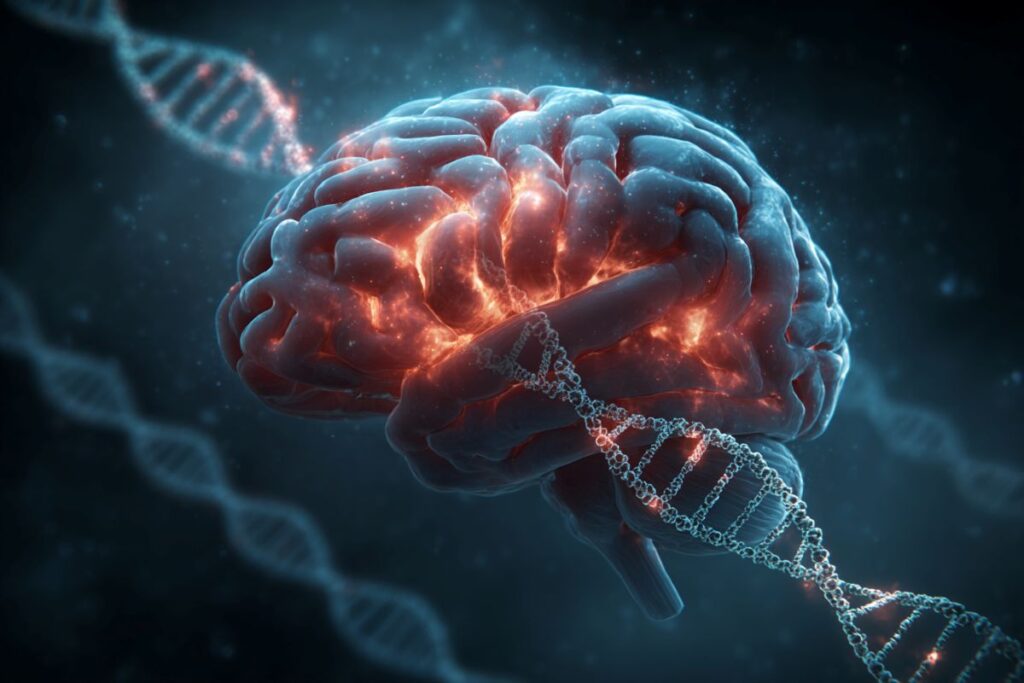
Summary: Scientists have discovered that rogue DNA rings, called extrachromosomal DNA (ecDNA), appear early in glioblastoma and drive its rapid growth and resistance to therapy. By combining patient data, imaging, and computational modeling, researchers found that ecDNA often carries the EGFR cancer gene and its aggressive variants. The presence of ecDNA before tumors fully form […]
Wireless Implant Delivers Drugs Deep in Brain
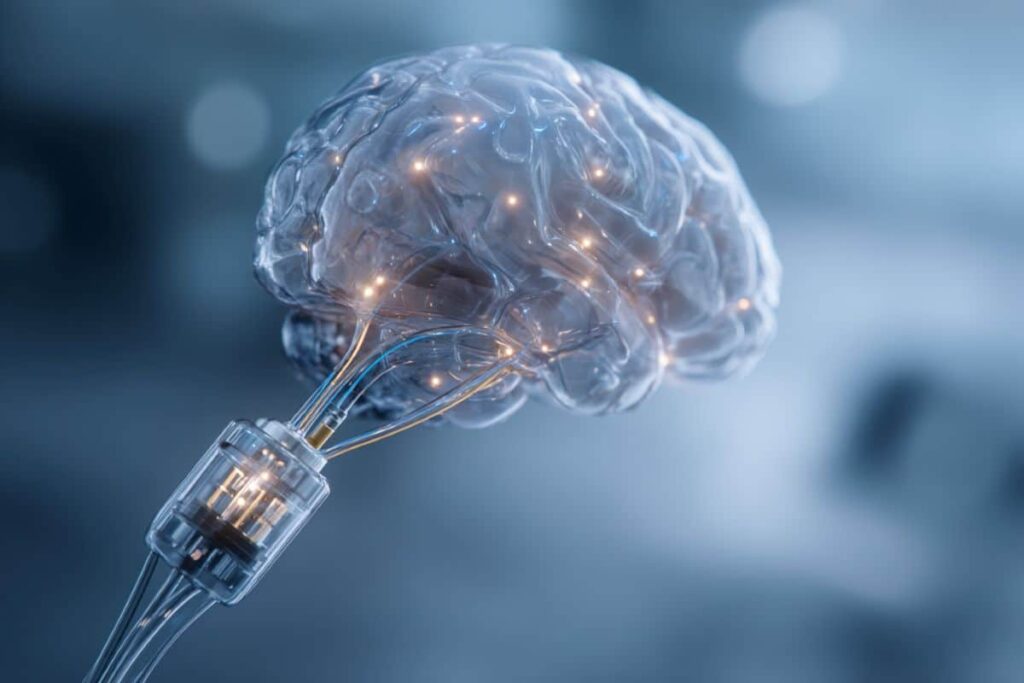
Summary: Researchers have developed a wireless, implantable neural interface that can deliver drugs directly to deep brain regions with precision. The device uses a soft, flexible micro-pump and channel design to ensure controlled, backflow-free infusion without external equipment. Wireless control allows real-time adjustment of dosage and delivery rate, enhancing personalization of treatment. This breakthrough could […]
Aggression Is Contagious: Observing Violence Primes the Brain for Aggression

Summary: A new study shows that observing violence can make individuals more likely to act aggressively later, but the effect depends on familiarity. Male mice who watched familiar peers attack others became more violent afterward, driven by amygdala neurons that “prime” aggression. When these neurons were inhibited, the learned aggression disappeared, while activating them heightened […]
Your Red Is My Red: Shared Brain Codes for Color

Summary: Human brains share common patterns of activity when perceiving colors, suggesting universal neural coding of color. Researchers compared brain responses from one group of participants to predict what colors another group was viewing, finding high accuracy in decoding both color and brightness. This marks the first demonstration that color decoding is possible using neural […]
How Teens and Adults Really Change Language

Summary: For decades, scholars believed children’s speech errors were the seeds of language change, but new research challenges that view. The study argues that everyday language use among adolescents and adults, not children, is the real driver of linguistic evolution. Children typically recover from their mistakes, which rarely spread, whereas adults adapt and innovate in […]