
How the Brain Uses Objects to Find Direction
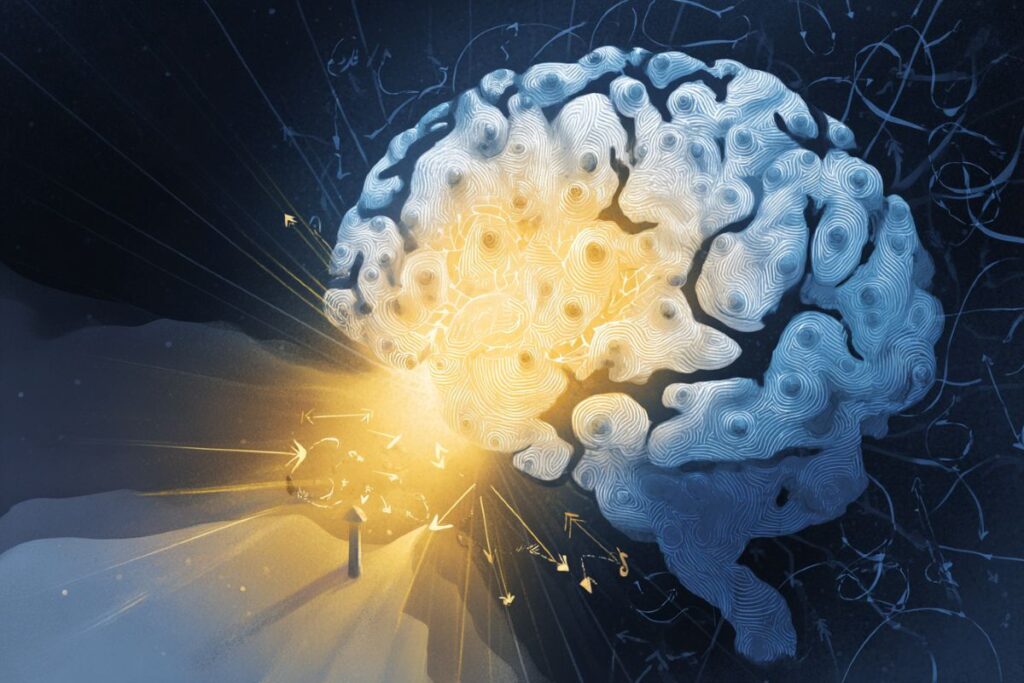
Summary: Scientists discovered how the brain uses objects to anchor our sense of direction, solving part of the mystery of spatial navigation. Experiments in mice showed that cells in the postsubiculum fired strongly when facing an object, while cells for other directions were suppressed, sharpening orientation. This mechanism suggests that object recognition is tightly integrated […]
Defective Exosome Production Linked to Alzheimer’s Gene Mutation
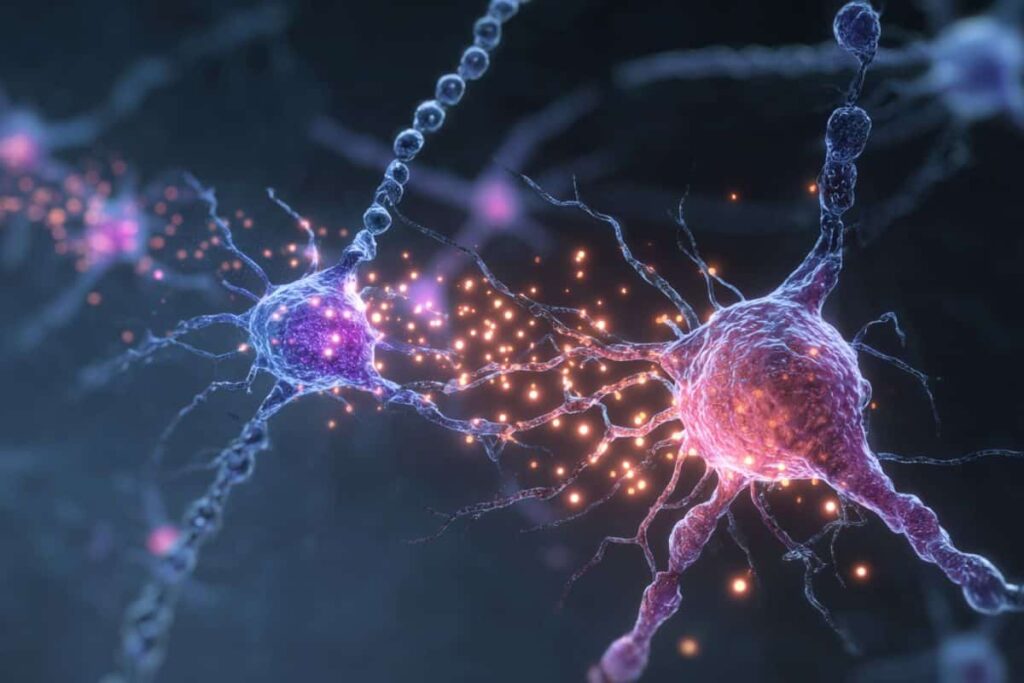
Summary: New research reveals that a gene mutation tied to Alzheimer’s disease disrupts the production of exosomes, tiny cellular particles essential for communication between brain cells. Cells with a defective SORLA protein produced about 30% fewer exosomes, and those exosomes were up to 50% less effective at supporting cell growth. This weakened communication could accelerate […]
Octopus Arms Inspire Next-Gen Robots with Unmatched Flexibility

Summary: Researchers have compiled the first complete catalog of octopus arm movements from 25 wild octopuses filmed in their natural habitats. The study revealed 12 types of arm motions, including elongation, shortening, bending, and probing, with specific regions of the arm specialized for certain actions. Each arm, armed with about 100 chemo-tactile suckers, can execute […]
Brain ‘Dial’ That Controls Urge to Eat Discovered
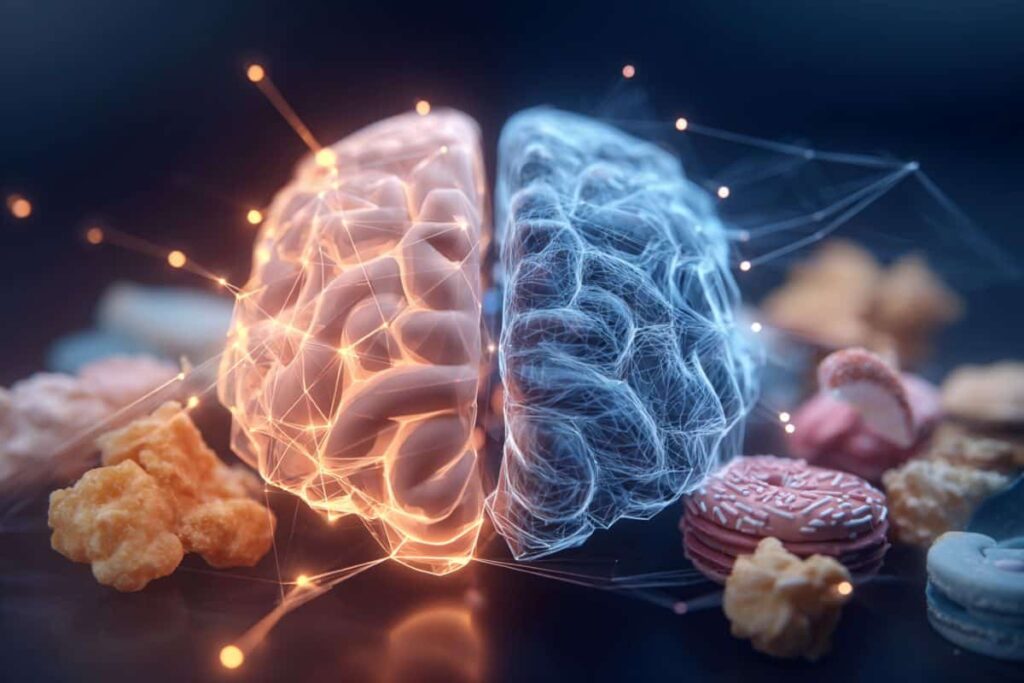
Summary: Researchers have uncovered a brain circuit in mice that acts as a “dial” for consumption, controlling the urge to eat sweets, fats, salt, and other foods. The circuit links the amygdala to the BNST, a region tied to feeding and reward. Stimulating this pathway could drive mice to eat even when full, while suppressing […]
How the Brain Learns to See
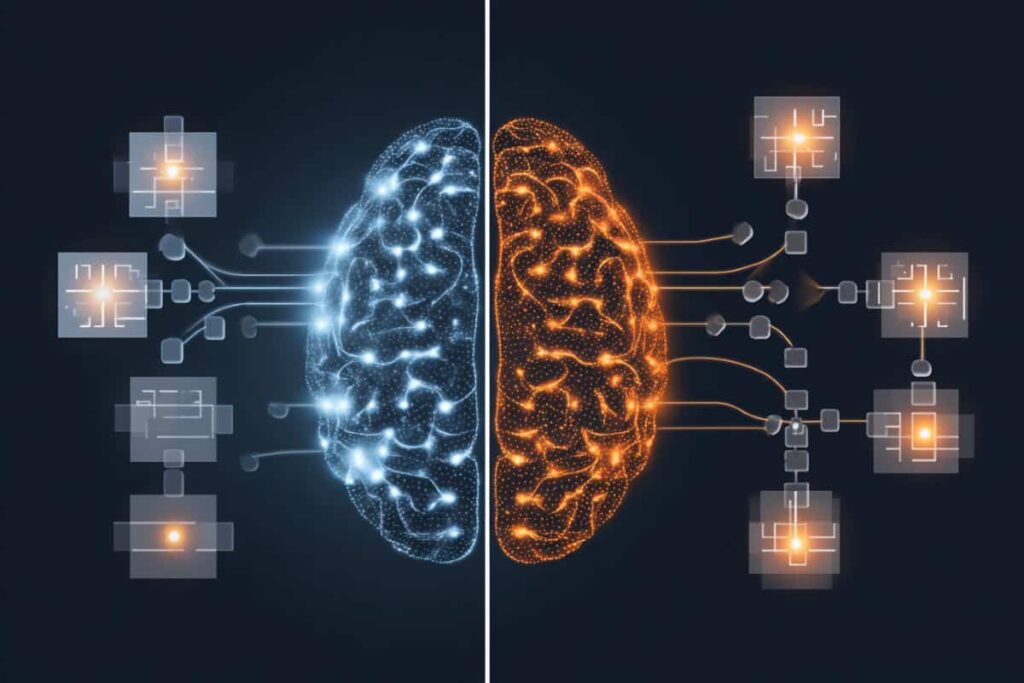
Summary: Researchers discovered how the brain develops reliable visual processing once the eyes open. Early on, visual inputs and modular brain responses are mismatched, creating inconsistent patterns. With experience, neurons align their signals to the correct modules, and interconnected modules begin working together on the same features, allowing the brain to form stable representations of […]
Eye Protein Levels Linked to Cognitive Decline
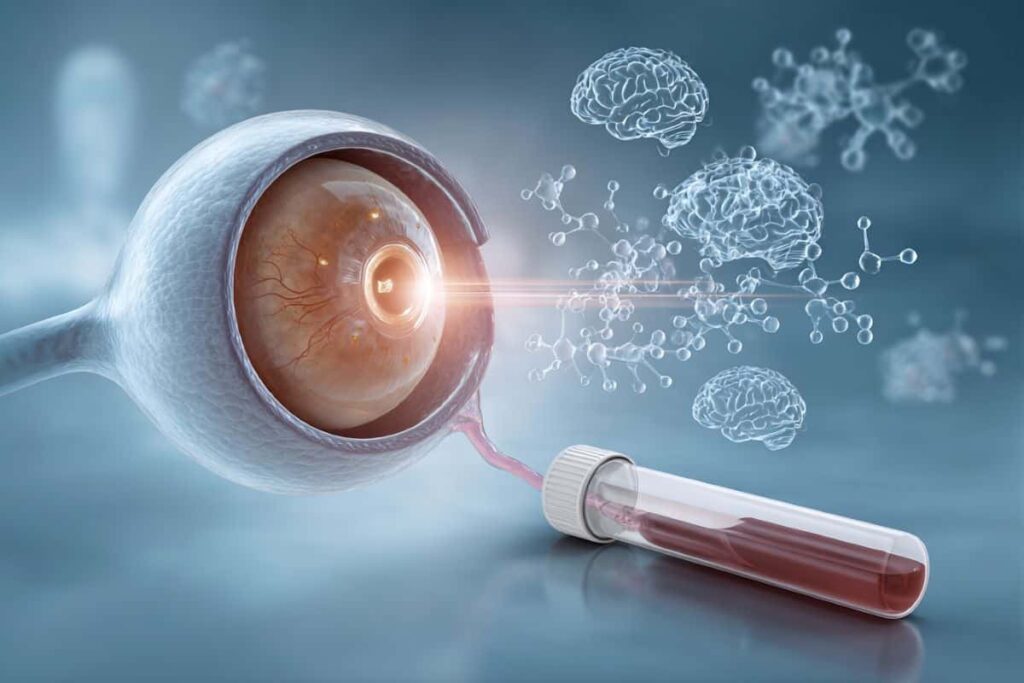
Summary: A new study reveals that levels of the SLIT2 protein in eye and blood samples are linked to cognitive performance in middle-aged adults. Researchers found that lower SLIT2 in vitreous humor correlated with poorer memory and global cognition, while higher SLIT2 in plasma also predicted lower cognitive scores. The vitreous humor contained up to […]
Cooler Nights and Brighter Days Boost Sleep in Dementia Patients

Summary: A large-scale study shows that indoor environmental changes—such as cooler bedroom temperatures at night and brighter indoor light during the day—can significantly improve sleep in people living with dementia. Researchers analyzed over 26,000 days of data using contactless sensors placed in participants’ homes. Hot nights were linked to disrupted sleep and higher breathing rates, […]
Brain Iron Levels Predict Cognitive Decline Risk
Summary: A new study demonstrates that brain iron levels, measured with a special MRI technique, can predict cognitive decline years before symptoms of Alzheimer’s disease appear. Researchers followed 158 cognitively healthy older adults and found that higher iron levels in memory-related regions of the brain were associated with a greater risk of mild cognitive impairment. […]
Evolution of Human Brain May Explain High Autism Rates
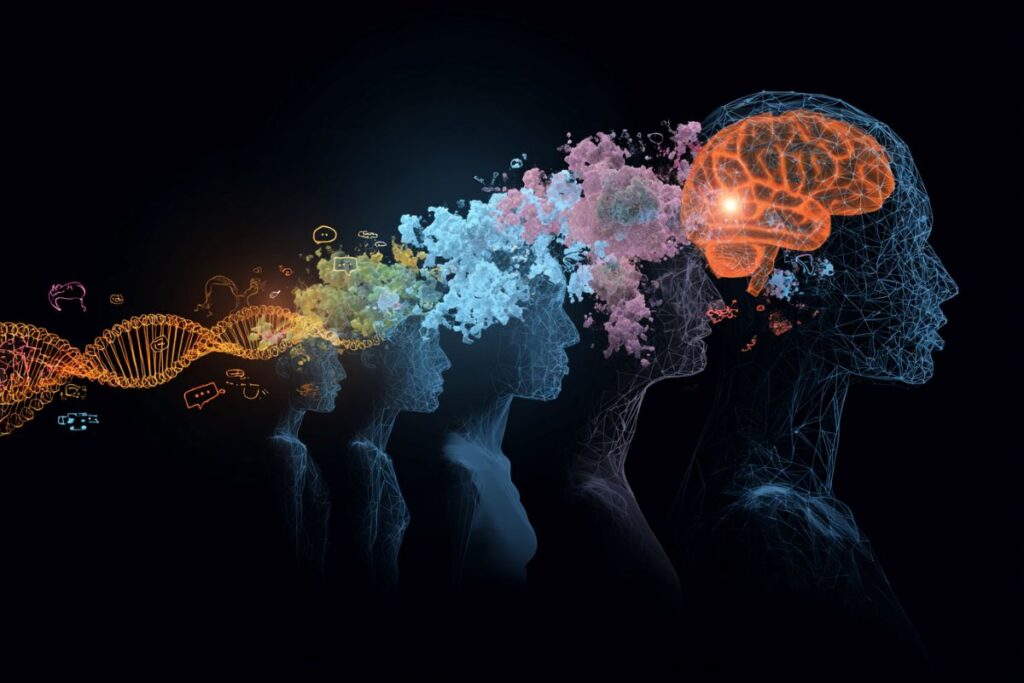
Summary: A new study suggests that autism may be linked to the rapid evolution of brain cell types unique to humans. Researchers found that outer-layer neurons in the human brain evolved far more quickly than in other apes, with significant changes in autism-associated genes. These genetic shifts may have been favored by natural selection, potentially […]
Left or Right? Brain’s Split Determines How We Map Numbers
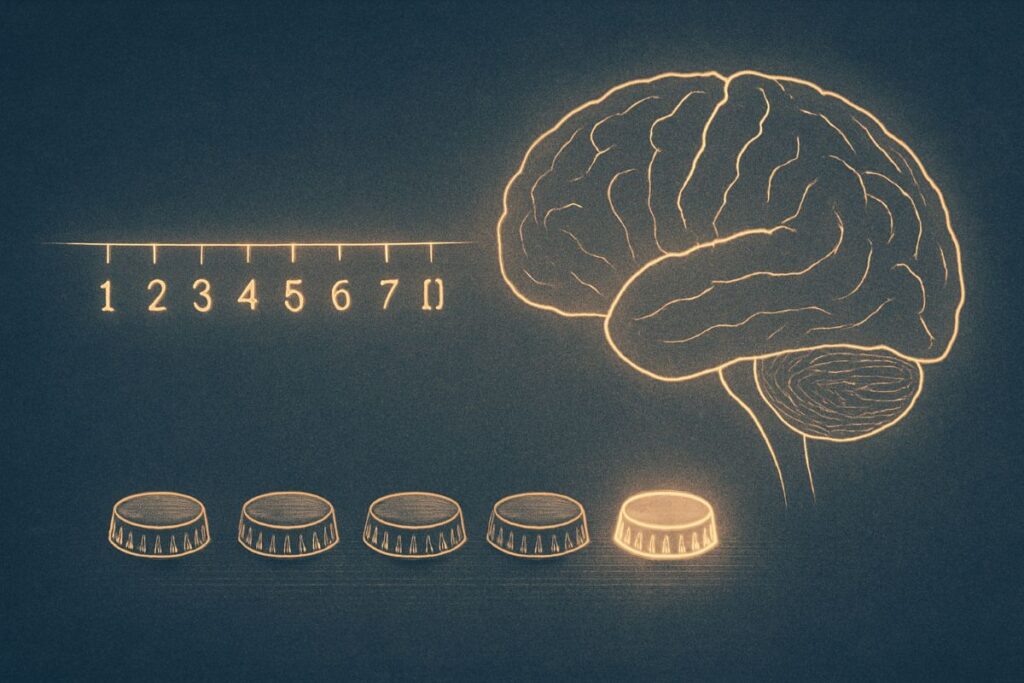
Summary: A study in newborn chicks shows that brain lateralisation is essential for the development of a left-to-right mental number line. Chicks with strongly lateralised brains consistently mapped numbers from left to right, while weakly lateralised chicks did not display this pattern. The findings provide the first direct evidence that lateralisation drives spatial–numerical associations, suggesting […]