
Why Humans Adapt Faster Than AI
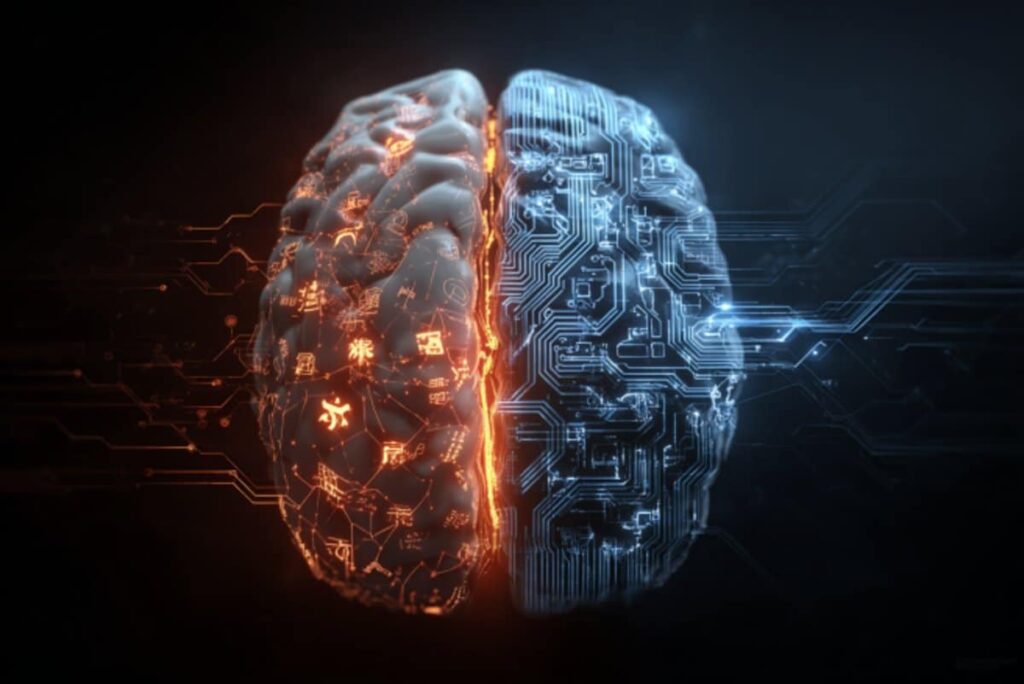
Summary: Humans excel at adapting to new situations, while machines often stumble. A new interdisciplinary study reveals that the root lies in how humans and AI approach “generalization,” the process of transferring knowledge to new problems. Humans rely on abstraction and conceptual frameworks, whereas AI systems apply statistical or rule-based methods, each with limits. Bridging […]
Green Mediterranean Diet Slows Brain Aging
Summary: A large-scale dietary trial has shown that a green-Mediterranean diet can slow brain aging by altering key blood proteins linked to neurodegeneration. Using MRI scans and proteomic profiling, researchers tracked nearly 300 participants over 18 months and found that diet significantly shaped the brain age gap. Two proteins, Galectin-9 and Decorin, emerged as strong […]
Boosting Protein Keeps Neurons Healthy and Extend Lifespan
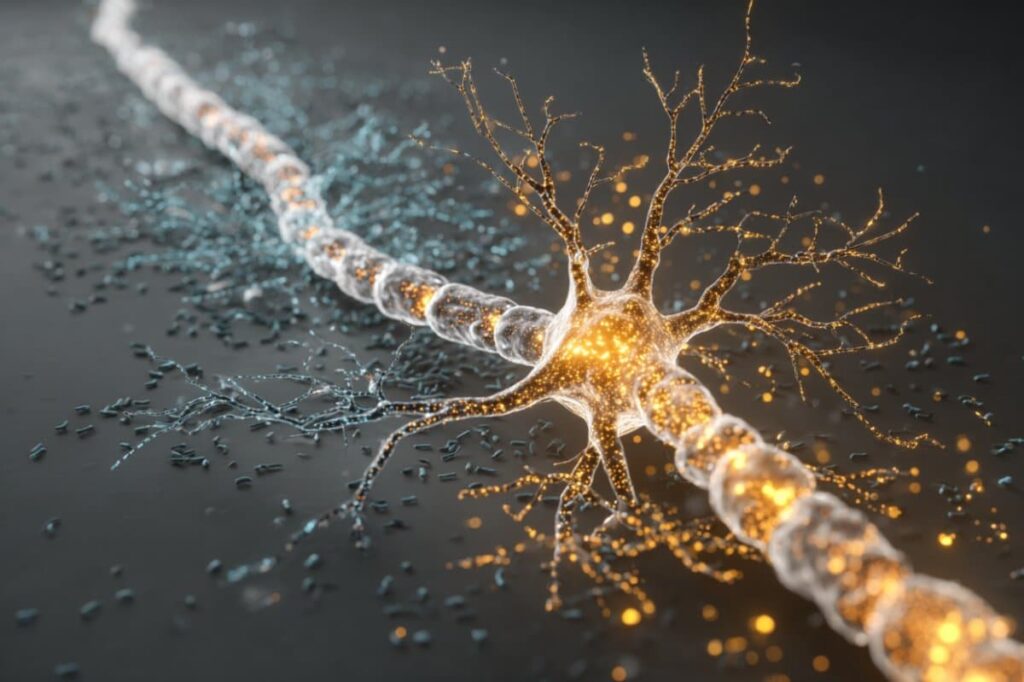
Summary: Scientists have identified a new therapeutic strategy for neurodegenerative diseases by boosting a protein called PI31, which ensures proteasomes reach synapses to clear protein waste. In fruit flies and mice, restoring PI31 prevented neuronal degeneration, reversed motor defects, and even extended lifespan nearly fourfold. The findings challenge the amyloid hypothesis, suggesting that protein plaques […]
Illusion-Making Neurons Show How the Brain Constructs Reality
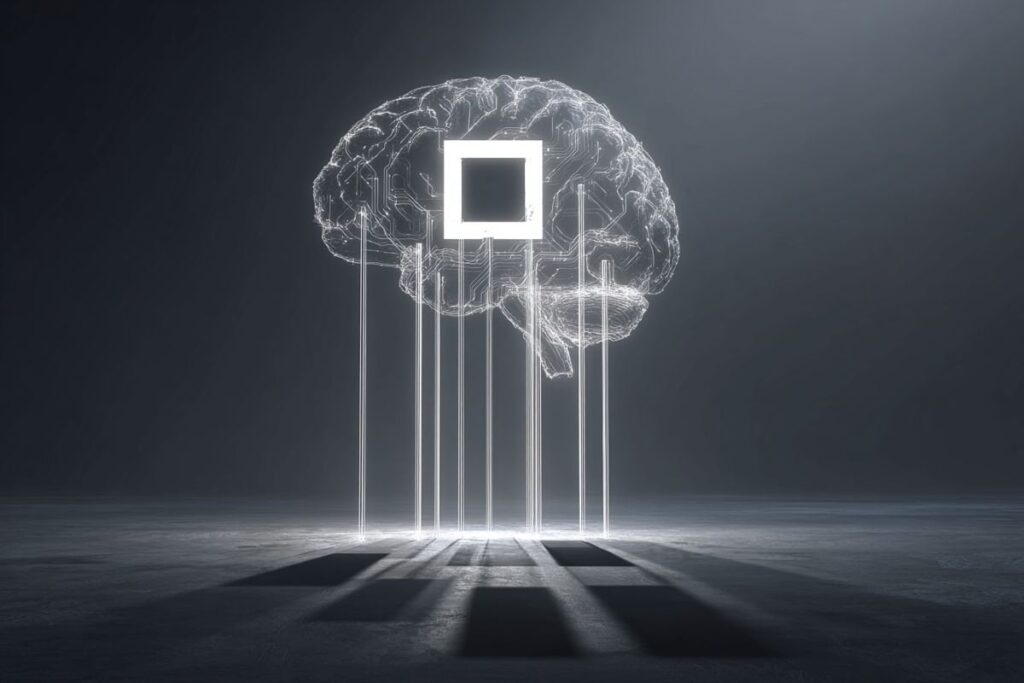
Summary: Scientists have discovered specialized IC-encoder neurons that make the brain “see” illusions, such as squares or triangles that aren’t truly there. These neurons receive top-down instructions from higher brain areas and then fill in missing contours in the visual cortex, actively constructing what we perceive. Experiments showed that stimulating these neurons alone could reproduce […]
Brain Circuits Show Why Friends’ Lies Are Easier to Believe
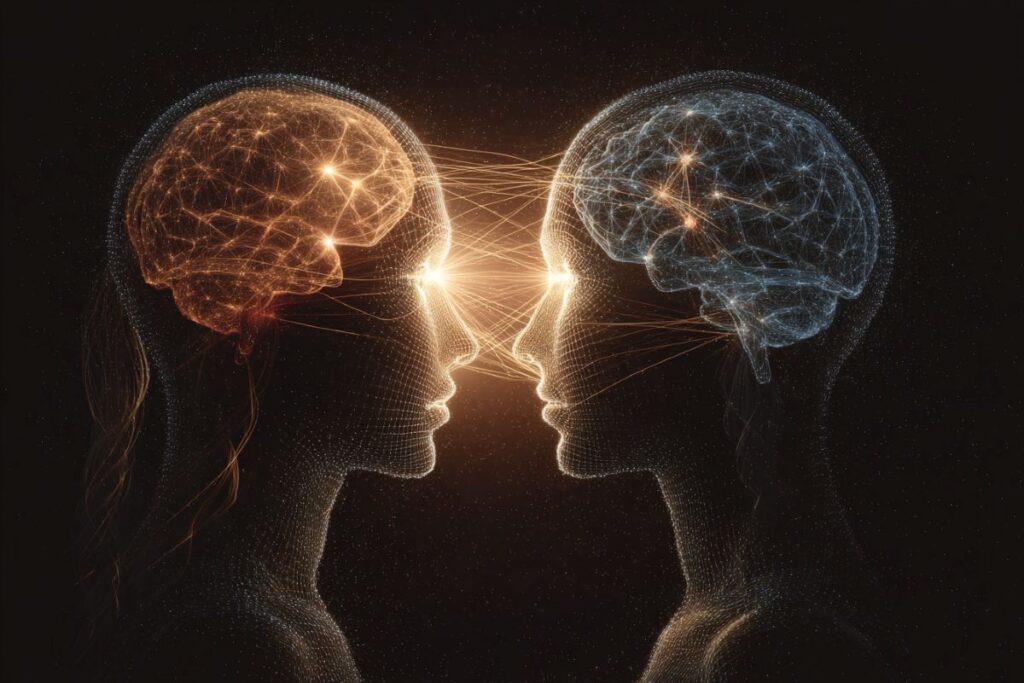
Summary: Researchers explored how people process deception from friends versus strangers, using brain imaging to study decision-making in gain and loss contexts. Volunteers were more likely to believe lies in situations promising rewards, with brain activity highlighting circuits for risk, reward, and intention. Shared brain activity between friends predicted whether deception would succeed, underscoring how […]
Nanoplastics Disrupt Brain Energy, Threatening Memory Function
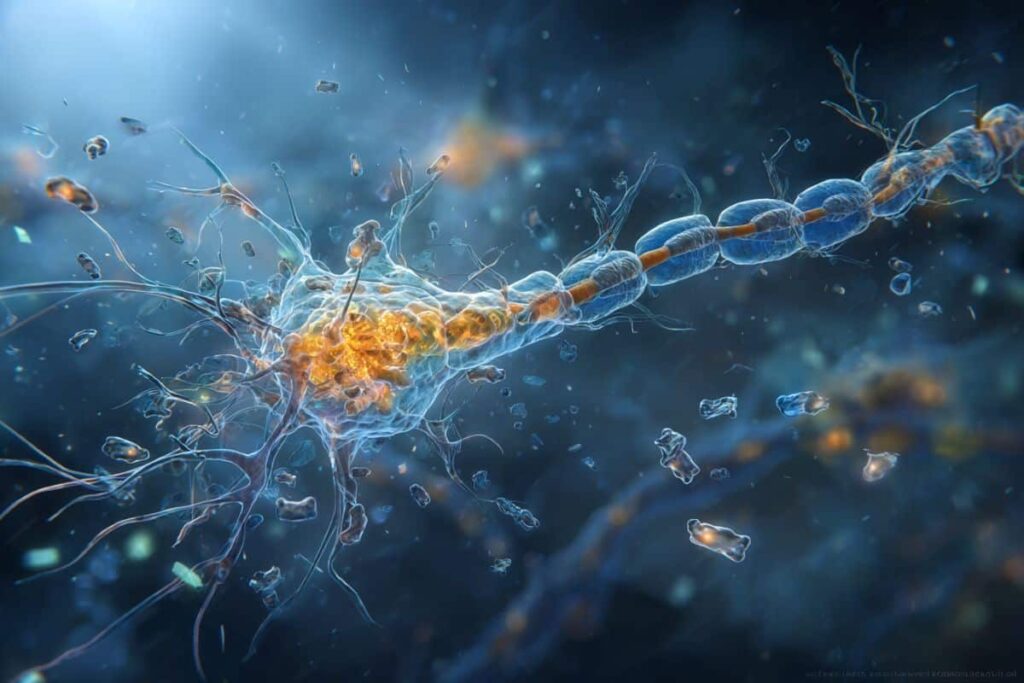
Summary: Scientists have uncovered a mechanism by which nanoplastics impair brain energy metabolism, offering new clues into environmental contributions to neurodegeneration. The particles disrupted mitochondrial electron transfer and reduced energy production in both general and synaptic mitochondria. Since these energy systems are vital for brain health, the findings suggest a possible link between plastic pollution […]
Simple Hair Test May Spot Mental Health Risks in Kids

Summary: Long-term stress, measured through hair cortisol, may help predict mental health risks in children living with chronic physical illnesses. In a four-year study of 244 children, researchers found that persistently high cortisol levels were strongly linked to anxiety, depression, and behavioral difficulties. Children whose cortisol levels declined showed fewer symptoms, suggesting stress relief is […]
PET Tracer Maps Synapse Loss After Spinal Cord Injury

Summary: Researchers developed a new PET tracer capable of measuring synapse loss after spinal cord injury, offering insights into both spinal and brain changes. In rat models, the tracer revealed significant synaptic reductions at the injury site and in distant brain regions, highlighting how widespread the effects of injury can be. Compared with traditional imaging, […]
Stress Relief Brain Circuit May Drive Alcohol Relapse
Summary: A new study highlights how the brain learns to keep alcohol addiction going, not for pleasure but to escape withdrawal stress. Researchers found that a midline brain region, the PVT, became especially active when rats associated alcohol with relief from withdrawal, driving strong relapse behavior. This shows that negative reinforcement, not just positive reward, […]
Your Words May Reveal More Than You Think: AI Shows How

Summary: Psychologists are turning to artificial intelligence to uncover hidden psychological cues in speech, from word choice to tone and pacing. These signals can reveal personality traits and even early signs of mental health conditions, but human clinicians may miss them. AI could provide faster, more accurate analysis, though researchers warn of bias if models […]