
Psychedelics Show Promise for Healing Concussions and Brain Injuries
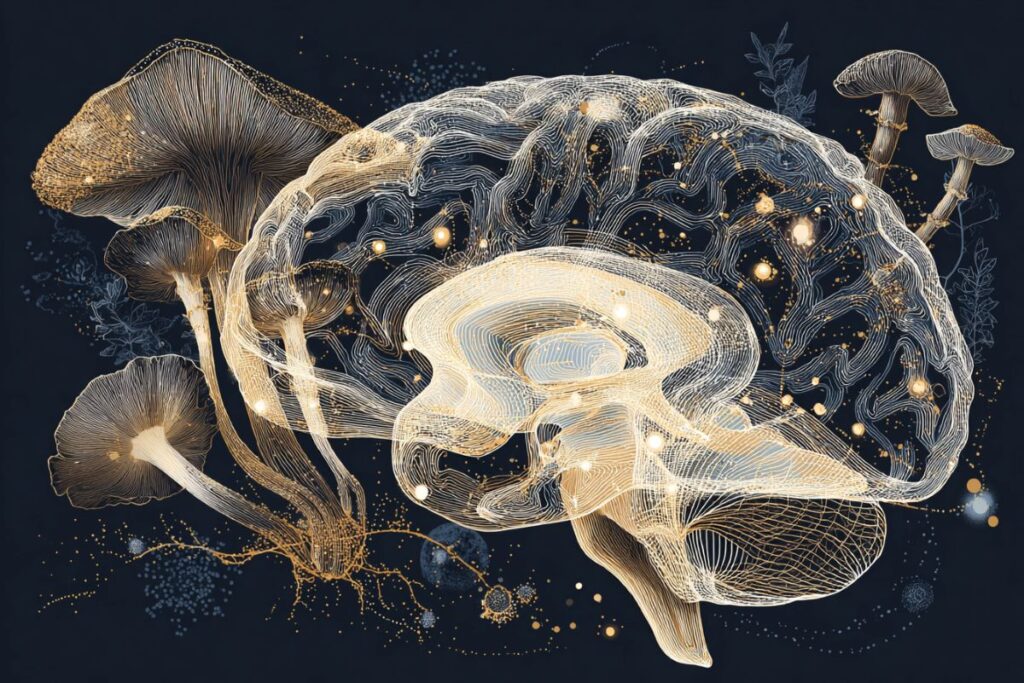
Summary: Traumatic brain injuries, including concussions, affect nearly 69 million people worldwide each year, yet treatments remain scarce. A new review highlights the potential of psychedelics such as psilocybin and 5-MeO-DMT to reduce harmful inflammation and enhance neuroplasticity after brain injury. These compounds may help the brain rebuild connections and lower the risk of psychiatric […]
Musicians Tune Out Distractions More Easily
Summary: A new study shows that musically trained individuals have an easier time focusing on the right sounds in noisy environments. By measuring brain activity during tasks requiring attention to specific melodies, researchers found stronger signals linked to conscious attention and weaker signals tied to automatic distraction in musical participants. This indicates that music training […]
When Machines Become Our Moral Loophole

Summary: A large study across 13 experiments with over 8,000 participants shows that people are far more likely to act dishonestly when they can delegate tasks to AI rather than do them themselves. Dishonesty rose most when participants only had to set broad goals, rather than explicit instructions, allowing them to distance themselves from the […]
Early Brain Damage From Sports Hits Seen Long Before CTE
Summary: New research shows that repetitive head impacts from contact sports trigger early and lasting brain changes in athletes years before chronic traumatic encephalopathy (CTE) is detectable. The study found neuron loss, microglial activation, and blood vessel changes in athletes under 51, even in those without tau buildup, the usual CTE marker. These early signatures […]
Brain Balances Rhythms to Switch Between Memory Recall and Novelty
Summary: Researchers discovered how the brain flexibly switches communication pathways depending on context, balancing between memory recall and processing new information. The mechanism depends on the interaction of slow (theta) and fast (gamma) rhythms, regulated by distinct inhibitory circuits. In familiar environments, neurons prioritize reactivating stored memory, while in novel contexts, memory is updated with […]
Opioid Use in Pregnancy Not Linked to Autism or ADHD Risk

Summary: A large-scale study analyzing over a million births in Sweden found no evidence that prescribed opioid pain medications during pregnancy cause autism or ADHD in children. While earlier data suggested a potential link, those associations largely disappeared after accounting for genetics, parental mental health, and shared family environment. Comparisons between siblings, as well as […]
Oxytocin Fuels Reciprocity and Empathy

Summary: Researchers developed a fully automated cooperation task showing that rats engage in true reciprocity, not just mutual benefit. Social interaction enhanced success, while dampened interaction reduced cooperative performance. The experience of reciprocity also increased empathy, as rats displayed stronger emotional responses to partners’ distress. Crucially, oxytocin release in the orbitofrontal cortex underpinned both fair […]
AI Spots Subtle Facial Cues Linked to Early Depression Risk

Summary: Depression’s earliest signs can be hard to spot, but a new study shows AI can detect them in subtle facial movements. Japanese students with subthreshold depression were perceived as less friendly and expressive by peers, despite not seeming nervous or fake. AI analysis revealed specific eye and mouth muscle activity patterns that aligned with […]
Lifestyle Changes Show Power to Prevent Alzheimer’s
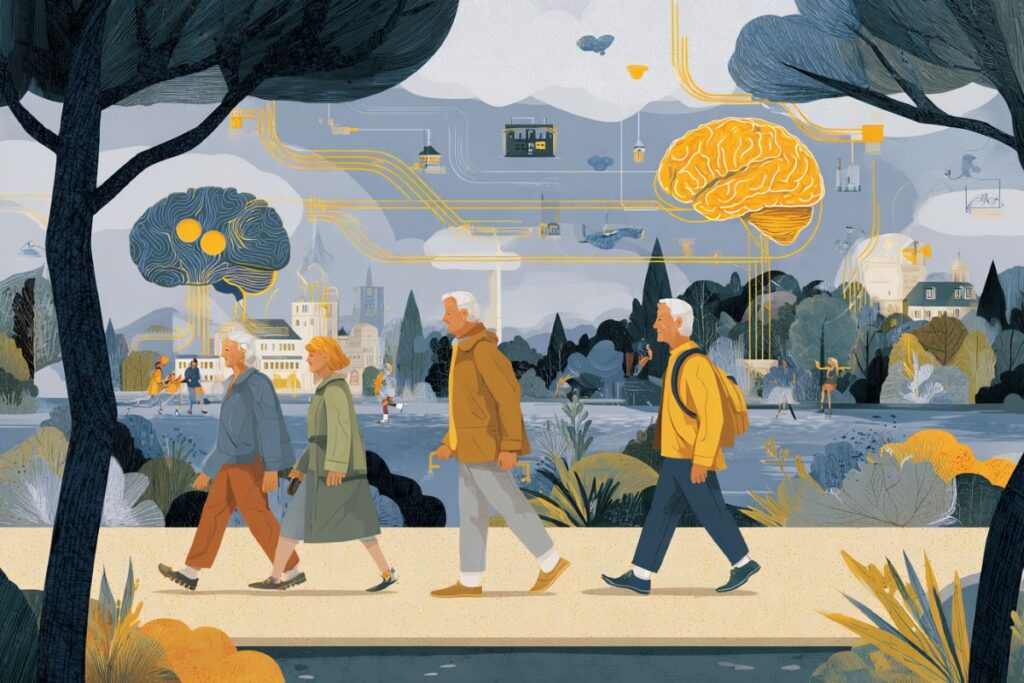
Summary: A growing body of research underscores that Alzheimer’s and cognitive decline are not inevitable parts of aging. Lifestyle interventions targeting exercise, diet, social engagement, and cognitive stimulation have been shown in large clinical trials to improve brain function and slow decline. These strategies mirror those proven effective in reducing cardiovascular disease and cancer, suggesting […]
Why Humans Adapt Faster Than AI
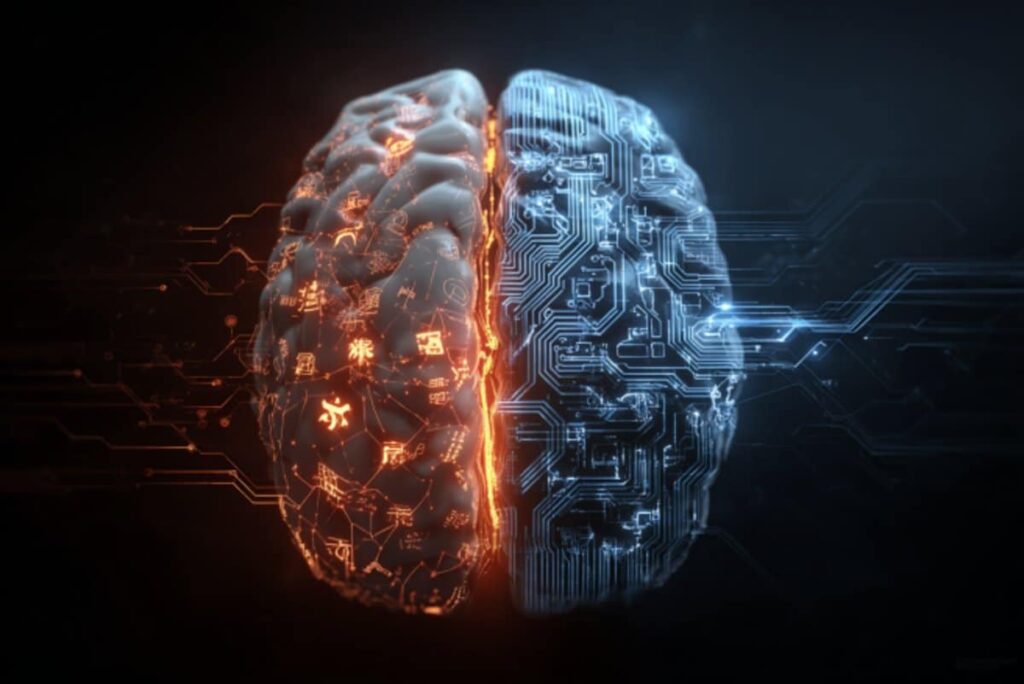
Summary: Humans excel at adapting to new situations, while machines often stumble. A new interdisciplinary study reveals that the root lies in how humans and AI approach “generalization,” the process of transferring knowledge to new problems. Humans rely on abstraction and conceptual frameworks, whereas AI systems apply statistical or rule-based methods, each with limits. Bridging […]