
Targeting the Cerebellum Could Ease Alcohol Withdrawal Symptoms
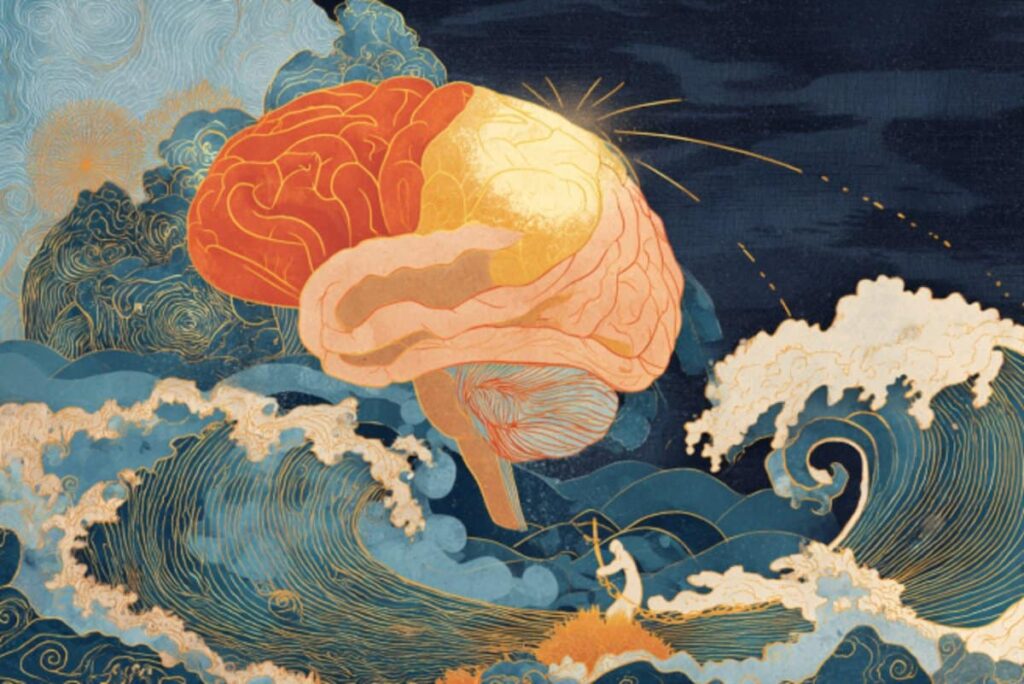
Summary: Researchers have identified the cerebellum as a promising target for easing alcohol withdrawal, the stage of alcohol use disorder that drives many people back to drinking. In mice, withdrawal symptoms were alleviated by calming overactive cerebellar neurons, either through genetic tools or a synthetic compound. The compound, called Compound 6, reduced anxiety without affecting […]
Alzheimer’s Study Finds Blood-Brain Barrier Largely Intact
Summary: A new study suggests that the blood-brain barrier (BBB) remains intact in a widely used mouse model of Alzheimer’s disease. Using a tracer molecule and advanced analysis, scientists found no significant leakage across brain regions, even near amyloid plaques. This challenges the belief that Alzheimer’s weakens the BBB and underscores the difficulty of delivering […]
Walking Tunes the Brain to Sounds, Sharpens Auditory Awareness

Summary: A new study shows that walking enhances how the brain processes auditory information, sharpening responses compared to standing still. When participants walked in a figure-eight path, their brains responded more strongly to sounds, and turning direction influenced whether responses were enhanced or suppressed in each ear. Sudden tone bursts triggered distinct neural reactions, especially […]
Over 99% of Heart Attacks Linked to At Least One Known Risk Factor

Summary: A massive international study shows that nearly all heart attacks, strokes, and cases of heart failure occur in people with at least one known cardiovascular risk factor. More than 9 million South Korean adults and thousands of U.S. adults were tracked, revealing that over 99% had nonoptimal blood pressure, cholesterol, blood sugar, or tobacco […]
High Pollen Levels Tied to Rising Suicide Risk

Summary: A U.S. study combining pollen and suicide data from over a decade shows that high pollen days are linked to a measurable rise in suicide risk. The risk increased incrementally with pollen levels, peaking at a 7.4% rise on the highest days. Vulnerable groups—including those with mental health histories, white men, and Black individuals—were […]
Preschool Overeating in Girls Linked to Teen Anxiety and Impulsivity

Summary: A study tracking more than 2,000 Quebec children found that girls who regularly overate in the preschool years were more likely to report anxiety, impulsivity, and hyperactivity during adolescence. The association was not found in boys, pointing to possible sociocultural influences such as closer monitoring and restrictive food environments for girls. Importantly, researchers emphasize […]
Every Heartbeat Shapes Thoughts and Emotions
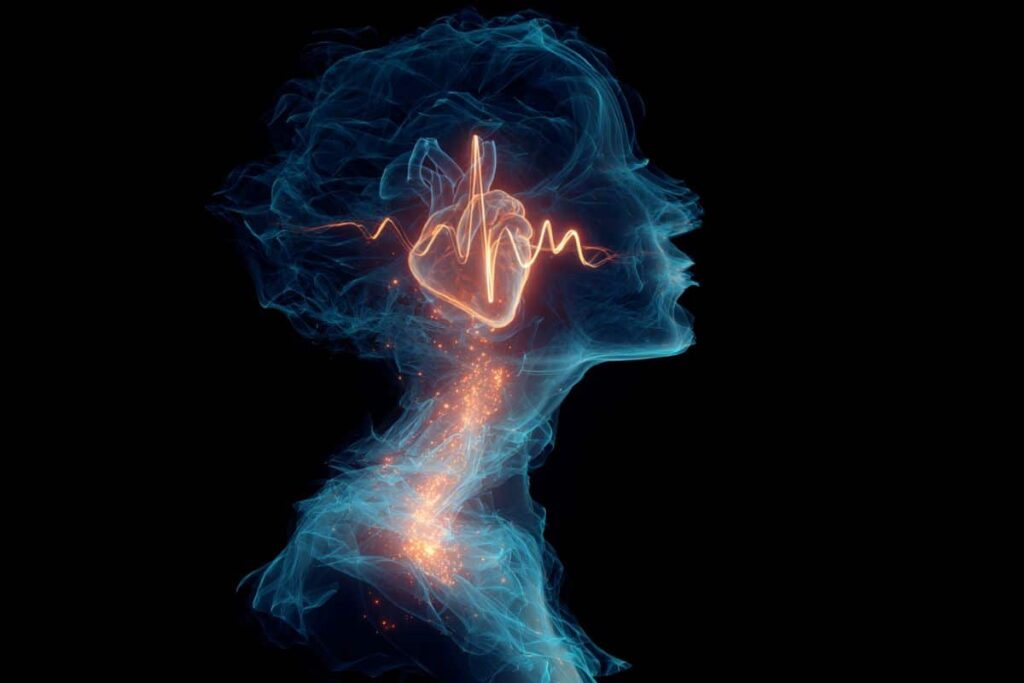
Summary: Researchers emphasize that the heart and brain are deeply interconnected, with every heartbeat influencing cognition and emotion within milliseconds. This link helps explain why cardiovascular diseases like hypertension often coincide with mental health disorders such as depression and anxiety. The team describes brain-body states operating at different timescales: microstates tied to emotions, mesostates linked […]
Musicians’ Brains Show Remarkable Resistance to Pain
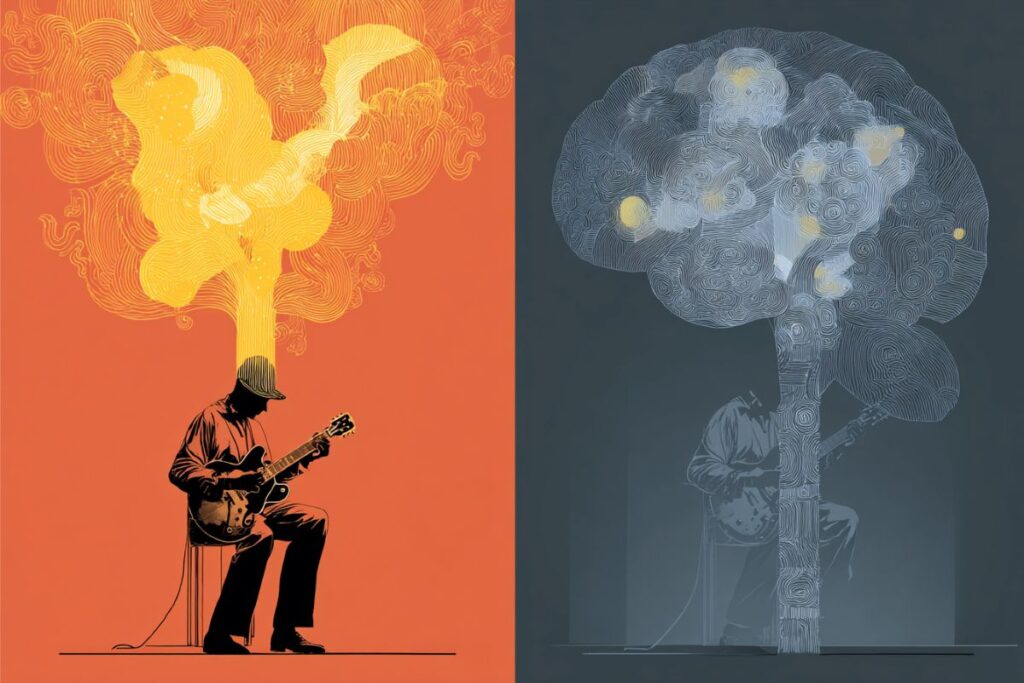
Summary: A new study finds that musicians experience pain differently than non-musicians, thanks to how their brains adapt through years of training. While pain usually shrinks the brain’s motor maps and increases discomfort, musicians showed stable motor maps and reported less pain after induced hand soreness. The more hours of practice a musician had, the […]
Skin-to-Skin Contact Boosts Brain Development

Summary: Very preterm infants who received more skin-to-skin contact during their hospital stay showed stronger development in brain regions tied to stress and emotional regulation. Brain scans revealed that longer skin-to-skin sessions were linked to changes in white matter pathways that support attention, memory, and emotional health. These associations held even after accounting for socioeconomic […]
Sleep Disorders Predict Parkinson’s or Dementia Years Ahead
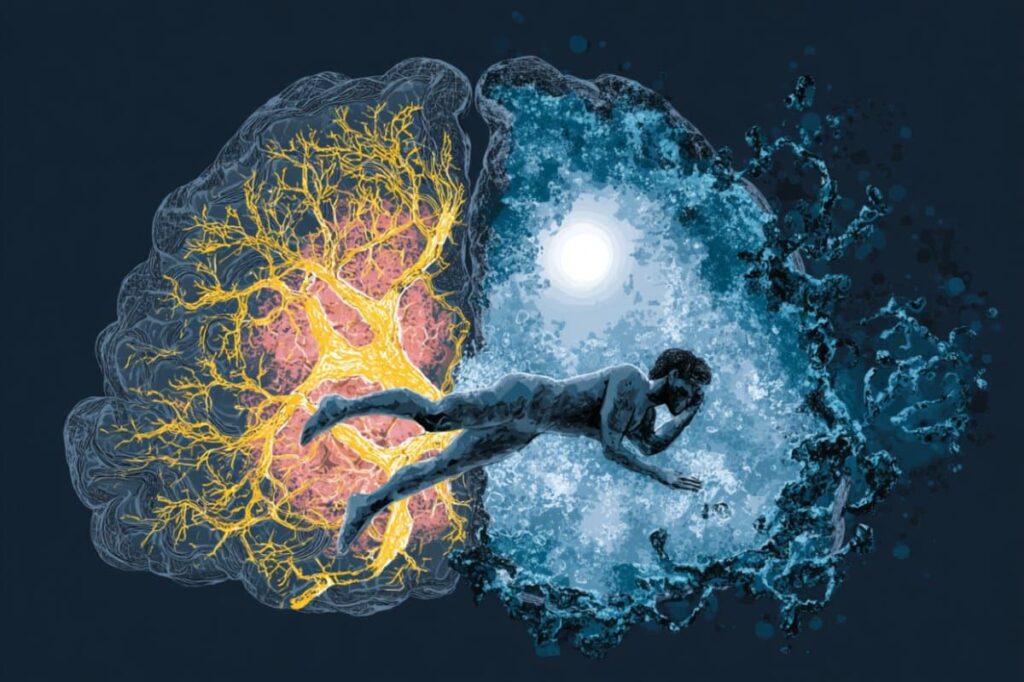
Summary: Two landmark international studies show that brain biomarkers can predict whether people with REM sleep behaviour disorder (iRBD) will develop Parkinson’s disease or dementia with Lewy bodies (DLB). MRI scans revealed that reduced glymphatic system function signals higher risk for Parkinson’s, while increased free water in the basal nucleus of Meynert predicts progression to […]