
Lymphatic Damage Tied to Chemo Brain Fog

Summary: New research reveals that chemotherapy may cause “chemo brain” by damaging the brain’s lymphatic system — the network responsible for clearing waste and supporting immune function. Using mouse models and human-engineered tissues, scientists found that common drugs like docetaxel shrink lymphatic vessels and impair drainage, leading to memory deficits and cognitive decline. The findings […]
Why the Brain Feels the Beat Better Through Sound Than Touch

Summary: A new study reveals that the human brain synchronizes more accurately with rhythm when listening to music than when feeling it through touch. When people tap along to sound, slow rhythmic brain waves align with the perceived beat, helping maintain steady timing. However, with rhythmic vibration, the brain responds to each pulse individually, failing […]
Skin Problems Signal Depression and Suicide Risk

Summary: New research reveals that mental health patients experiencing their first episode of psychosis are more likely to have skin conditions, and that these patients face significantly higher risks of depression and suicidality. In a study of 481 individuals, those with dermatological symptoms such as rashes or itching were over three times more likely to […]
What Happens After a Near-Death Experience?

Summary: New research reveals that people who have near-death experiences often undergo profound shifts in perspective, purpose, and priorities, but many struggle to integrate these changes into daily life. In a study of 167 individuals, over half sought counseling or support afterward, and those who received validation and understanding found the help most beneficial. Acceptance […]
Genes Linked to Cannabis Use Reveal Ties to Mental Health
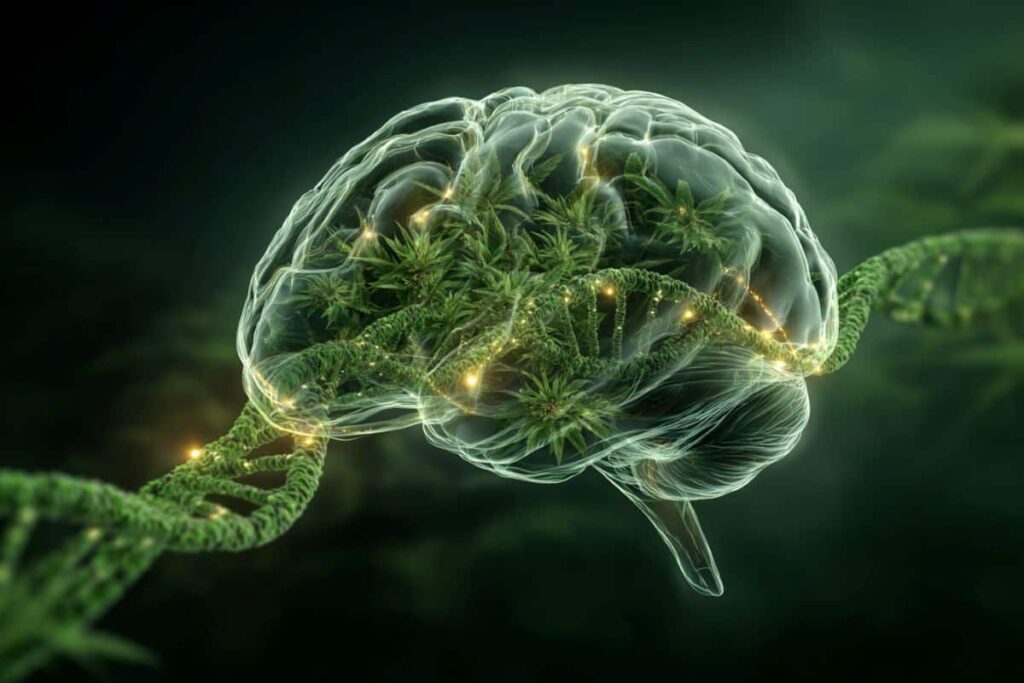
Summary: Researchers analyzing data from over 130,000 participants have identified specific genes associated with cannabis use and its frequency, revealing strong links to psychiatric, cognitive, and physical health traits. The genes CADM2 and GRM3, already known for roles in brain communication and impulsivity, appear central to how individuals initiate and sustain cannabis use. The study […]
ADHD May Make You More Creative

Summary: People with ADHD tend to be more creative, and this advantage may stem from a greater tendency for their minds to wander. The study is the first to directly connect ADHD traits, creativity, and the two types of mind wandering—spontaneous and deliberate. Individuals with ADHD scored higher on creative achievement tests and reported more […]
EEG Test May Reveal Who Loses Libido on Antidepressants

Summary: A new study reveals that serotonin levels in the brain, measured using a simple EEG-based test, can predict who will experience sexual side effects from SSRI antidepressants. Researchers found that people with higher serotonin activity before treatment were significantly more likely to have difficulty reaching orgasm during antidepressant use. The test, known as the […]
Can Animals Feel? A New Roadmap for Consciousness

Summary: A philosophy scholar has developed a practical “decision tree” to help scientists and ethicists evaluate which creatures may be conscious. The new framework clarifies decades of debate about whether animals like crabs, fish, or insects can feel pain or emotion. It distinguishes between two approaches — one requiring clear evidence of consciousness, and another […]
Inflammatory Brain Cells Driving Progressive MS Discovered
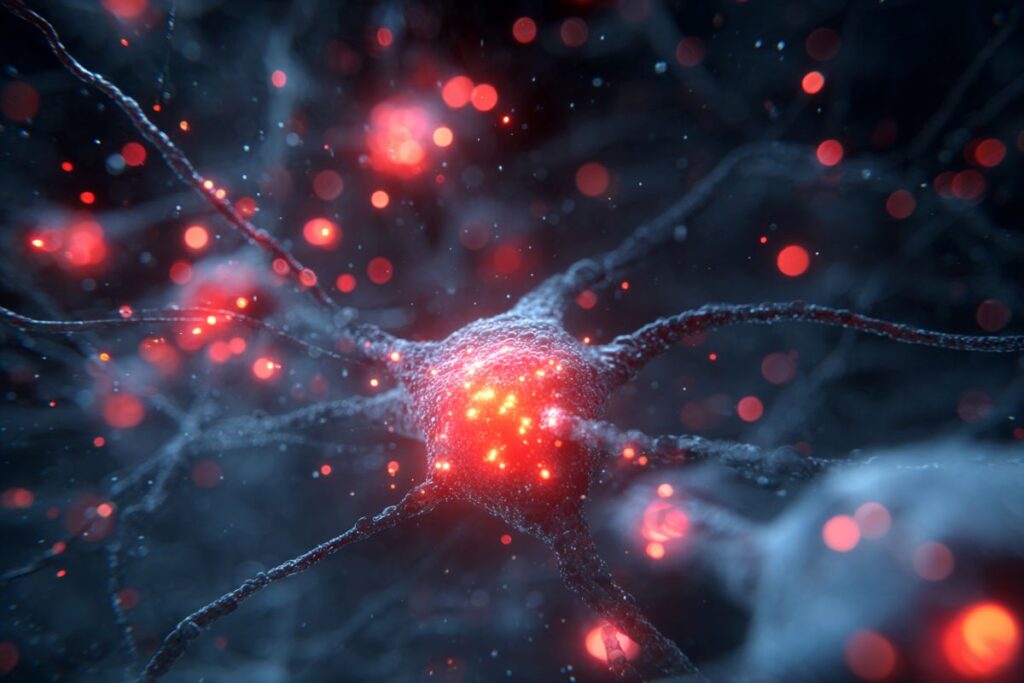
Summary: Researchers have identified a rare type of brain cell that may drive the chronic inflammation and neurodegeneration seen in progressive multiple sclerosis (MS). These cells, called disease-associated radial glia-like (DARG) cells, appear six times more often in patients with progressive MS than in healthy individuals. DARGs revert to an early developmental state yet also […]
Gut Microbes May Shape Brain and Behavior Through Hidden Mutations
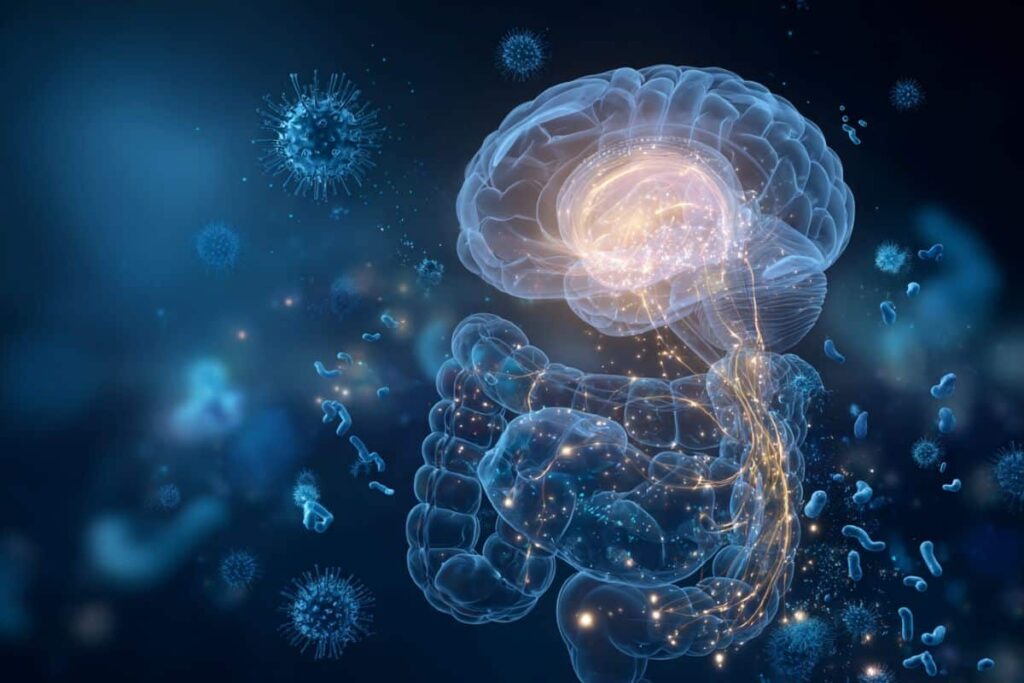
Summary: In a groundbreaking study using Merino sheep, researchers uncovered that tiny genetic variations within gut microbes can influence brain-related behavior. By sequencing over 5,000 microbial genomes—including 3,500 never before reported—they linked single nucleotide variations (SNVs) in microbes to neurobehavioral traits and plasma metabolites tied to brain function. These SNVs, mainly within Firmicutes and Bacteroidetes, […]