
People Miss Racial Bias Hidden Inside AI Emotion Recognition
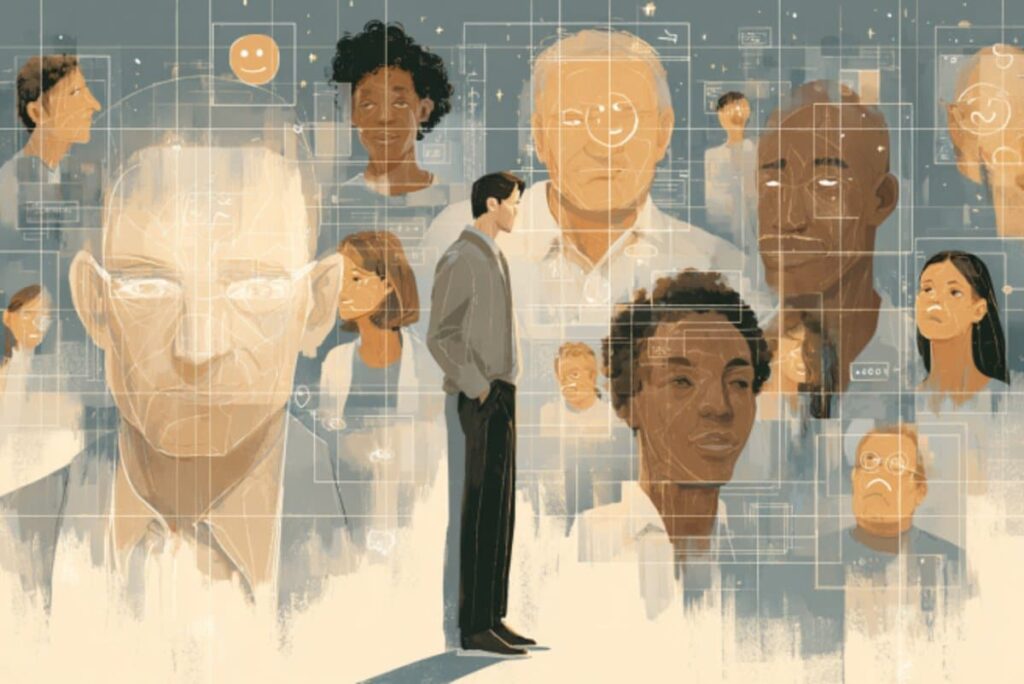
Summary: A new study reveals that most people fail to recognize racial bias embedded in AI systems, even when it is visible in the training data. The research shows that artificial intelligence trained on imbalanced datasets—such as happy white faces and sad Black faces—learns to associate race with emotion, perpetuating biased performance. Participants rarely noticed […]
New Alzheimer’s Mutation Weakens Brain’s Immune Defense
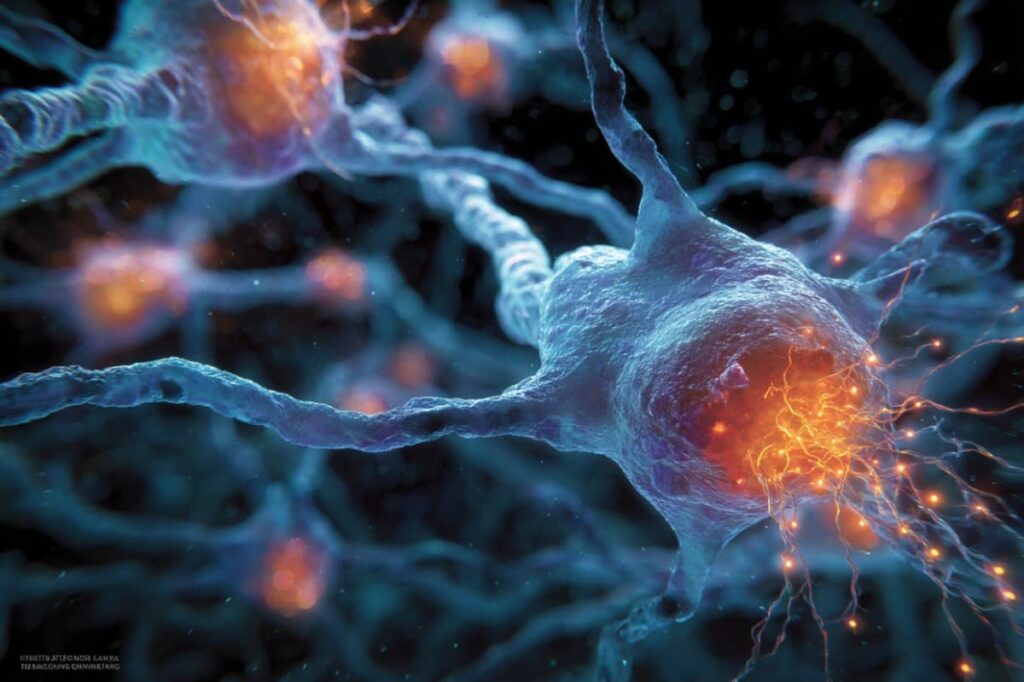
Summary: A new study has identified a mutation in the TREM2 gene that disrupts the brain’s ability to clear toxic amyloid plaques, increasing Alzheimer’s disease risk. The mutation, called T96K, keeps the TREM2 gene in an overactive state that paradoxically weakens microglial “cleanup” activity, especially in females. Using genetically modified mice, researchers discovered that these […]
Older Adults See Ambiguous Faces as Happier

Summary: A new study reveals that older adults are more likely than younger people to interpret ambiguous facial expressions as happy rather than angry. Using brain imaging, researchers found that this positivity bias is linked to increased activity in the locus coeruleus — the brain’s tiny “blue spot” that regulates alertness and stress — and […]
Hidden Primed Step in Nerve-Muscle Communication Found
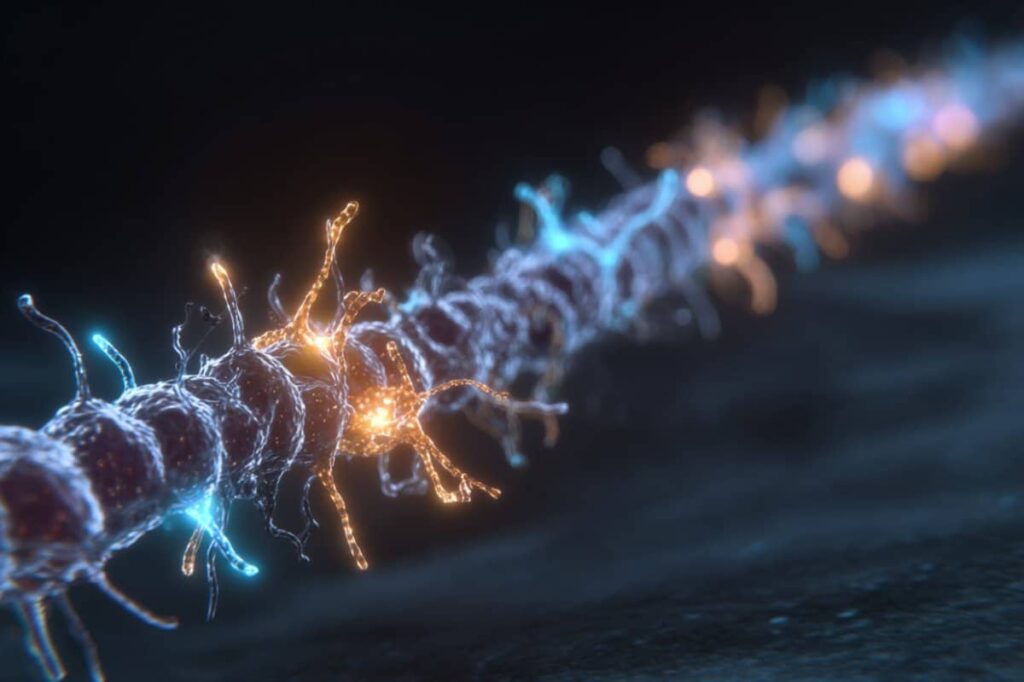
Summary: An international research team has mapped the millisecond-by-millisecond process by which nerve signals activate muscles, uncovering a previously unseen “primed” intermediate step. This breakthrough reveals that neuromuscular receptors move asynchronously—not in perfect unison as scientists long believed—redefining how communication between nerves and muscles is understood. Using single-molecule imaging, researchers captured atomic-level structures of the […]
Scientists Identify New Gene Behind Hereditary Vision Loss
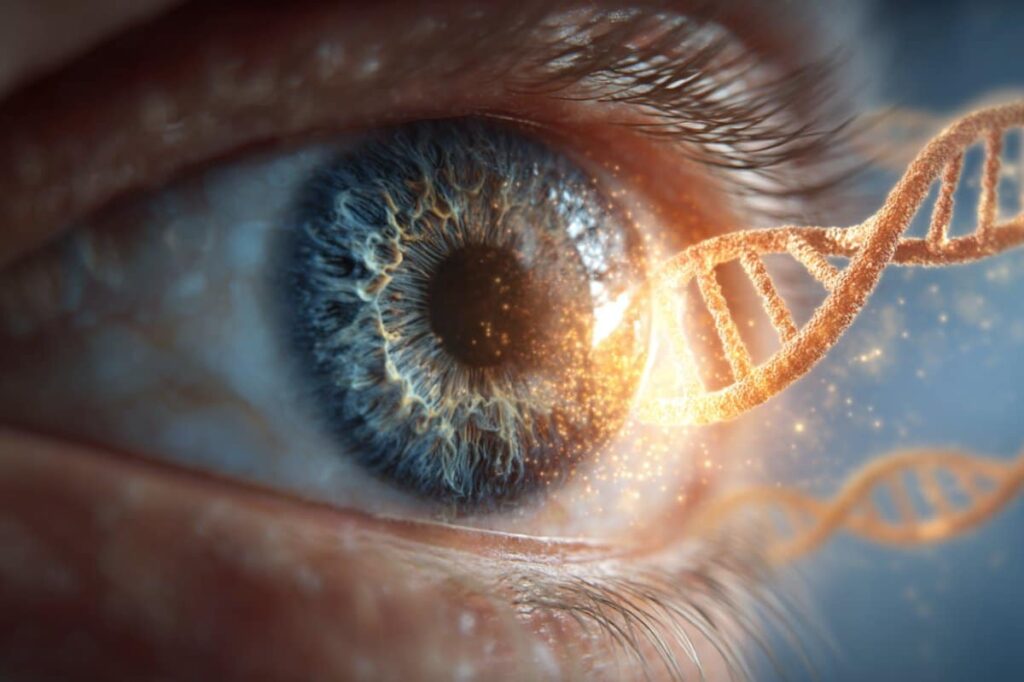
Summary: Researchers have identified a new genetic cause of hereditary optic atrophy—a condition that leads to gradual vision loss—by discovering a previously unknown mutation in the PPIB gene. This gene helps proteins fold properly and ensures healthy mitochondrial function, both of which are disrupted in affected individuals. The mutation was first detected in a large […]
Child Abuse Leaves Lasting Biological Scars on the Brain and DNA
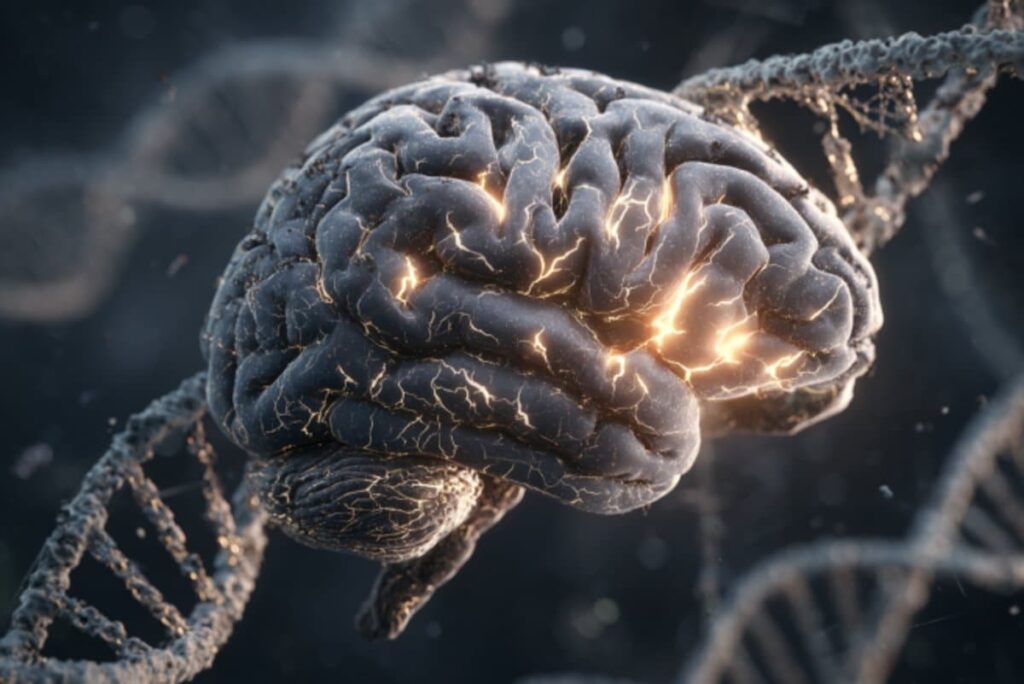
Summary: New research reveals that child maltreatment leaves measurable biological “scars” on DNA, altering brain structure and function. Using a genome-wide epigenetic analysis, scientists identified four key methylation sites—ATE1, SERPINB9P1, CHST11, and FOXP1—linked to maltreatment. Changes in FOXP1 were especially important, correlating with reduced gray matter in brain regions tied to emotion and memory. These […]
Gut Fungus Found to Disrupt Brain’s Alcohol Reward Pathway
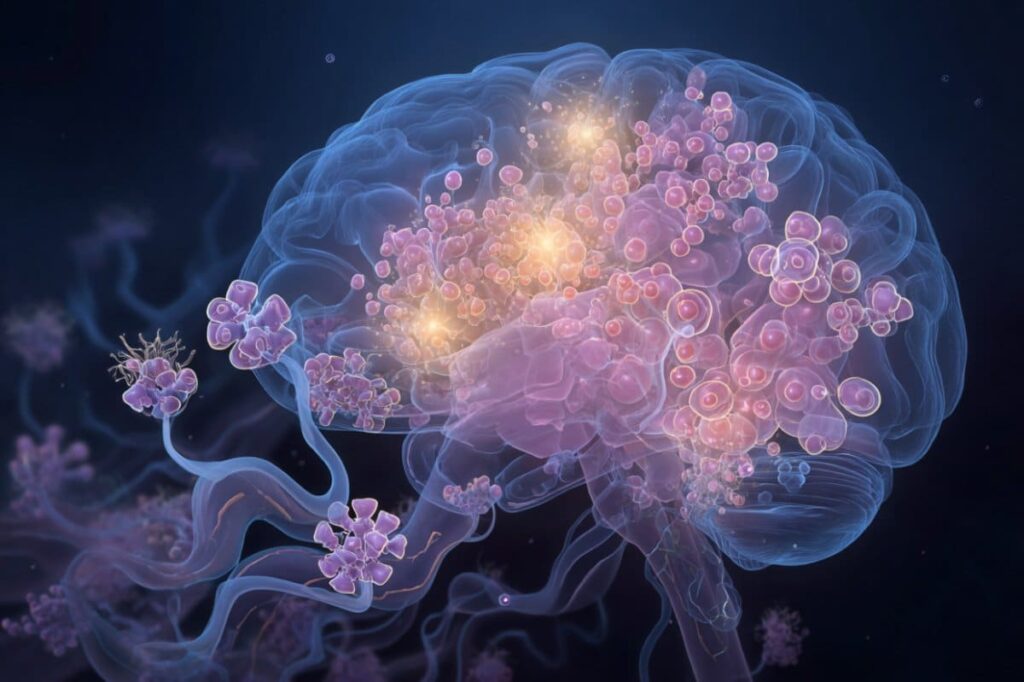
Summary: A new study reveals that an overgrowth of Candida albicans, a common gut fungus, may alter the brain’s dopamine reward circuitry and influence alcohol consumption. Researchers found that as fungal populations increased, they triggered production of inflammatory molecules called PGE2, which crossed into the brain and changed dopamine signaling in the dorsal striatum. Unexpectedly, […]
Where You Live Could Shape Your Brain and Dementia Risk
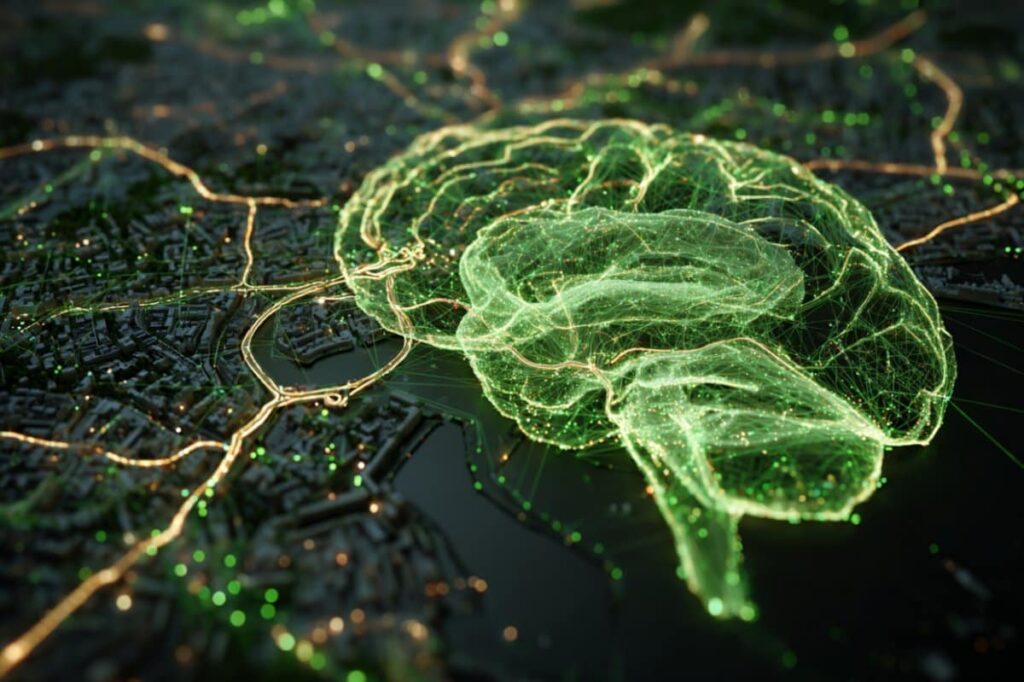
Summary: New research shows that neighborhood conditions — from pollution and housing to economic opportunity — may directly affect brain health and dementia risk. Analyzing brain scans and biomarkers from 679 adults, scientists found that people living in areas with higher social and environmental disadvantages showed signs of reduced brain thickness, altered blood flow, and […]
Why Your Brain and Mine Agree on What We See
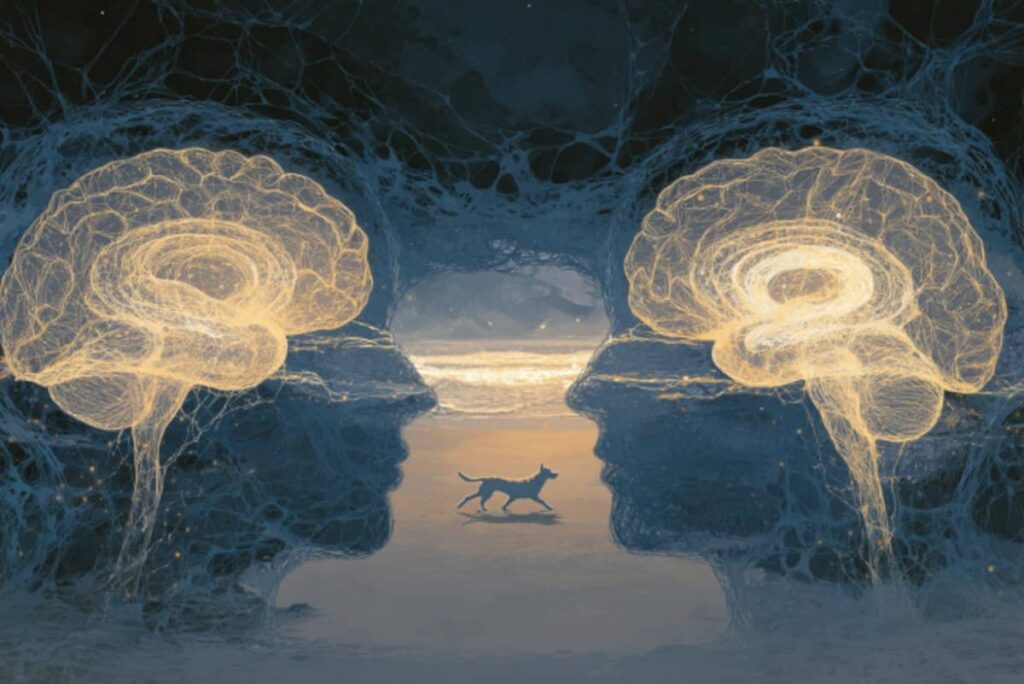
Summary: A new study reveals how uniquely wired human brains can perceive the world in strikingly similar ways. Researchers recorded live neural activity in epilepsy patients and found that while each person’s neurons respond differently to the same image, the relationships between those neural responses remain consistent across individuals. This shared relational pattern allows different […]
Feeling the Music: Touch Amplifies Emotional Power of Sound

Summary: A new study shows that combining touch with hearing profoundly intensifies emotional responses to music. Using a custom-built device that transforms sound into tactile vibrations, researchers found that people experienced more joy, connection, and reduced anxiety when they could both hear and feel the music. The emotional impact was strongest when participants listened to […]