
Psychedelics May Rewire Memory Circuits Key to Mental Health
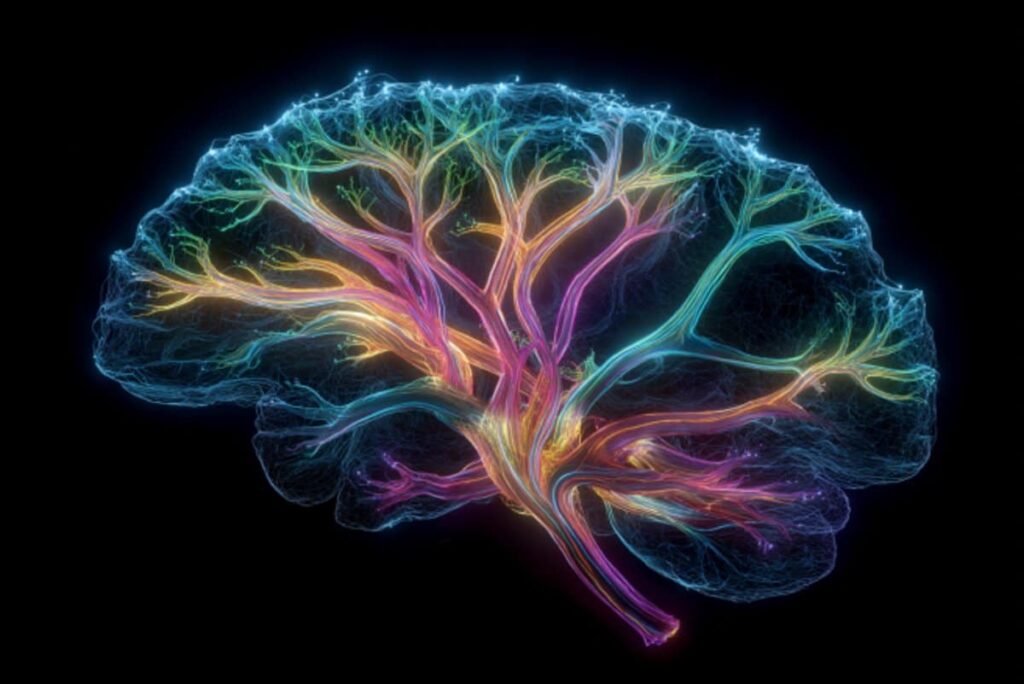
Summary: New research suggests that psychedelic drugs may work by strengthening specific brain connections linked to memory and cognition. Scientists found that under psychedelic exposure, neurons in the claustrum—a region dense with psychedelic-sensitive receptors—intensified their communication with the anterior cingulate cortex, a region involved in mood and psychiatric disorders. This strengthening did not occur under […]
Coding Comes Naturally to the Human Brain

Summary: Learning to code doesn’t require new brain systems—it builds on the ones we already use for logic and reasoning. Researchers found that when people learned programming, the same fronto-parietal brain regions that processed logical statements also lit up for computer code. Even before training, those neurons responded to descriptions of code written in plain […]
Hungry Brains Rewrite the Senses
Summary: When fruit flies lack essential amino acids, their brains rewire their sense of smell to help them find food rich in the nutrients they need. Researchers discovered that two genes—Or92a and Ir76a—boost the flies’ sensitivity to smells linked with fermented foods and bacteria that produce beneficial amino acids. Deprived flies were drawn to live […]
Music and Nature Work in Harmony to Ease Stress and Lift Mood

Summary: The viral phrase “touch grass” may be more than internet humor—science shows that engaging with nature and music can significantly boost emotional and physical well-being. A new review found that combining these experiences—such as listening to music outdoors, gardening while singing, or caring for animals—can improve mood, reduce stress, and ease symptoms of anxiety […]
Listening to Music After 70 May Cut Dementia Risk by Nearly 40%

Summary: Older adults who regularly listen to or play music may significantly lower their risk of dementia, according to a study of more than 10,800 people over age 70. Those who always listened to music showed a 39% lower risk of developing dementia and better memory performance, while those who played instruments had a 35% […]
Brain Circuits Split Food Choices Between Sugar and Fat Cravings

Summary: A new study reveals that the brain uses two distinct neural pathways to regulate sugar and fat intake. In mice, glucoprivation—a drop in blood sugar levels—activates separate circuits in the hypothalamus: AMPK-regulated CRH neurons drive high-carbohydrate consumption, while MC4R-expressing neurons promote high-fat food intake. These pathways are triggered by NPY neurons in the brainstem, […]
Alzheimer’s Disrupts Brain’s Internal Clock, Unraveling Gene Rhythms

Summary: Alzheimer’s disease not only damages memory but also distorts the brain’s internal clock, disrupting the daily rhythms of hundreds of genes tied to brain health. Researchers found that in mice with amyloid buildup, normal circadian gene activity in microglia and astrocytes—the brain’s immune and support cells—became erratic. This disruption affected genes that regulate waste […]
Swap 30 Minutes of Sitting for Light Activity to Boost Next-Day Mood

Summary: New research reveals that replacing even 30 minutes of sitting with light physical activity—like walking or doing household chores—can boost mood and energy the following day. The study tracked over 350 young adults using wearable monitors to assess daily movement patterns. Light activity showed the strongest link to better next-day feelings, outperforming both moderate […]
Brain’s Energy Flow Reveals Hidden Coordination During Deep Sleep
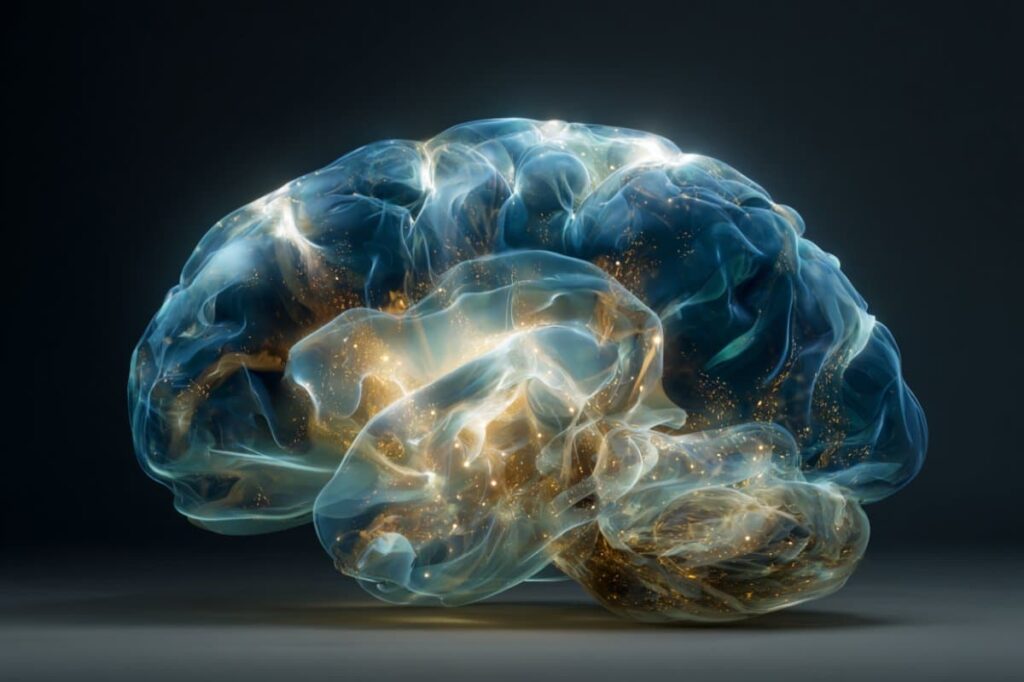
Summary: New brain imaging research has uncovered how the brain’s energy and activity reorganize as it transitions from wakefulness to deep NREM sleep. Using an advanced tri-modal EEG-PET-MRI approach, scientists found that while cognitive regions quiet down, sensory and motor areas stay active, keeping the brain responsive to the environment. Blood flow and cerebrospinal fluid […]
Gene Editing Reverses Age-Related Memory Loss
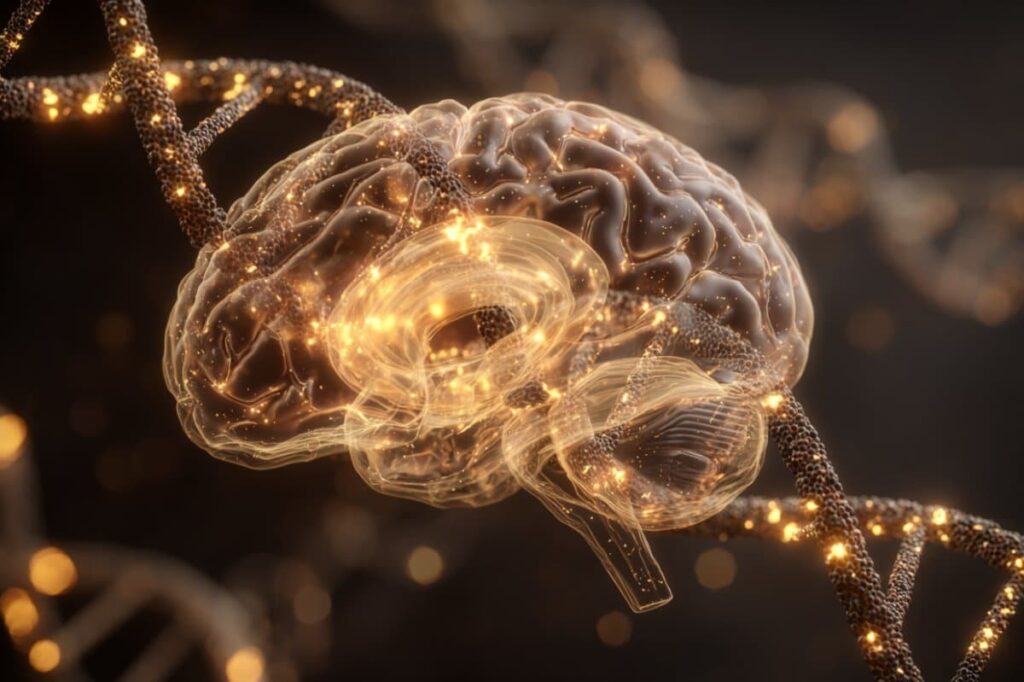
Summary: Researchers have identified molecular mechanisms behind age-related memory decline — and shown they can be reversed. Two studies revealed that correcting specific molecular processes in the hippocampus and amygdala, and reactivating a silenced memory-supporting gene called IGF2, improved memory in older rats. Using CRISPR-based gene-editing tools, scientists restored proper signaling and communication between neurons […]