
How the Brain’s Ion Gates Open and Close
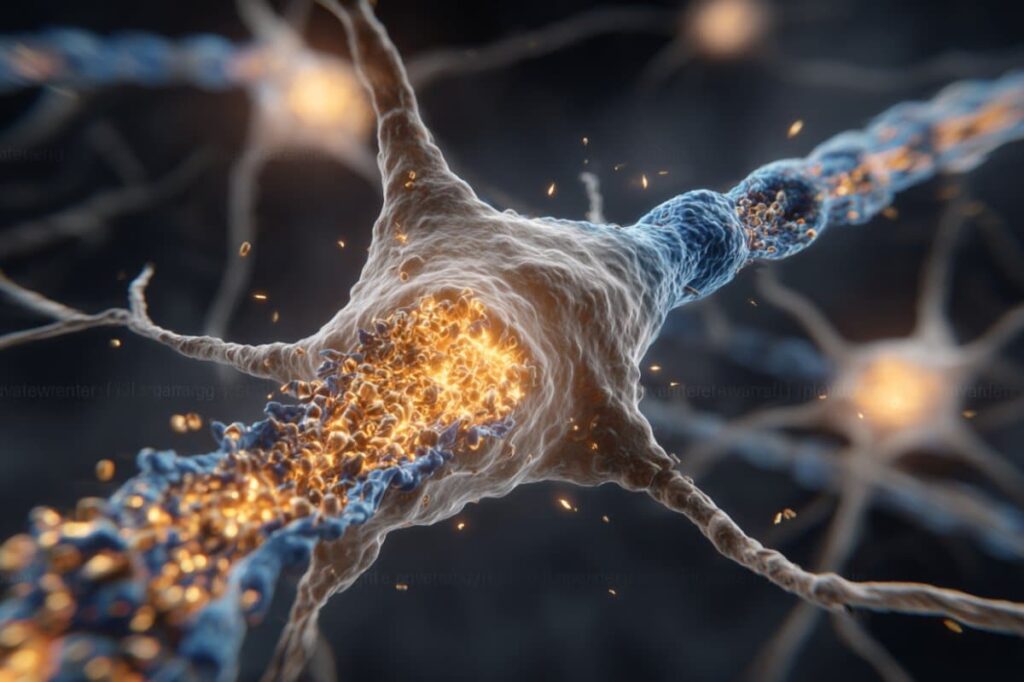
Summary: New research reveals how tiny electrical gates in the brain, known as NMDA receptors, control learning, memory, and neuron survival. Using cryo-electron microscopy, scientists captured atomic-level images showing how a natural neurosteroid, 24S-HC, holds these channels wide open, while a synthetic compound locks them partially shut. The team found that fully open channels allow […]
Your Brain “Zones Out” After Poor Sleep To Cleaning Itself
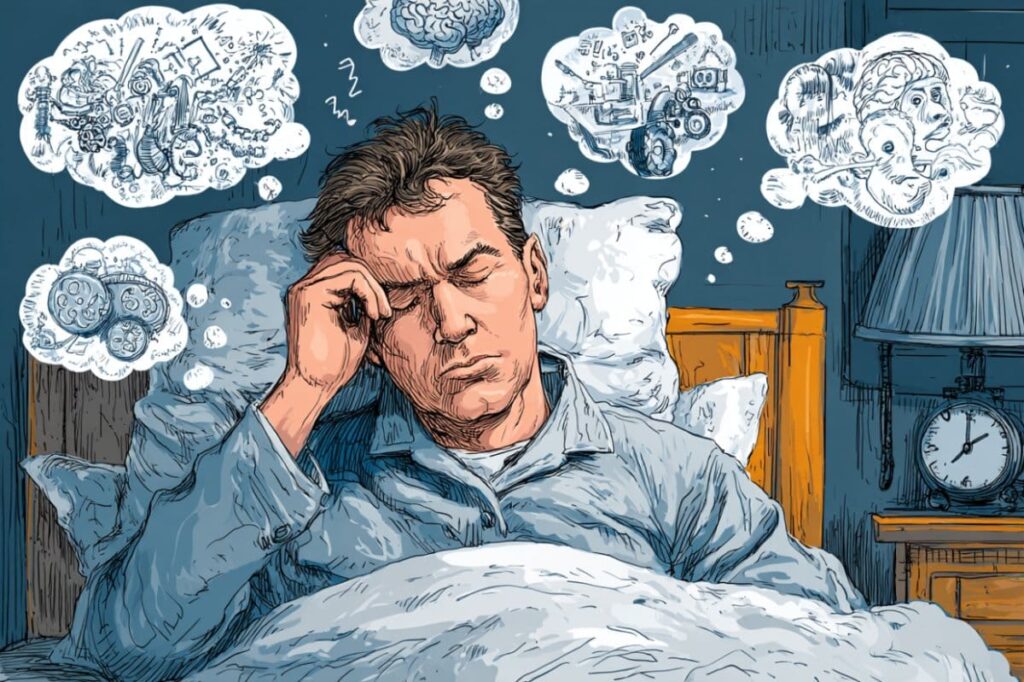
Summary: New research shows that during moments of lost focus after poor sleep, the brain releases a wave of cerebrospinal fluid (CSF)—the same cleansing process that normally occurs during deep sleep. Using simultaneous EEG and fMRI scans, scientists found that these fluid pulses occur precisely when attention lapses, suggesting the brain is attempting to catch […]
Football Players Show Subtle Brain Differences Linked to CTE Risk

Summary: Brain scans of former football players revealed subtle differences in brain grooves compared to men who never played contact sports, possibly marking early signs of chronic traumatic encephalopathy (CTE). Researchers found that players had shallower grooves in a key frontal region previously associated with CTE and that years of play correlated with structural changes […]
When Using AI, Users Fall for the Dunning-Kruger Trap in Reverse

Summary: A new study reveals that when interacting with AI tools like ChatGPT, everyone—regardless of skill level—overestimates their performance. Researchers found that the usual Dunning-Kruger Effect disappears, and instead, AI-literate users show even greater overconfidence in their abilities. The study suggests that reliance on AI encourages “cognitive offloading,” where users trust the system’s output without […]
Hunger Hormone and Blood Flow Team Up to Guide New Brain Cells

Summary: Scientists have discovered that blood flow helps direct the movement of newly formed neurons in the adult brain, revealing a surprising link between circulation and brain cell migration. Using advanced imaging, researchers found that neurons travel faster along high-flow blood vessels, and that the hunger hormone ghrelin boosts this migration by activating movement within […]
Dopamine Boost Makes People More Patient

Summary: In one of the largest studies of its kind, researchers found that increasing dopamine levels with L-DOPA made people slightly more willing to wait for larger, delayed rewards—reducing impulsive decisions by about 20%. The study challenges earlier research suggesting that dopamine increases impulsivity, showing instead that it promotes patience and long-term thinking. Using advanced […]
Gene That Controls How Sensitive You Are to Alcohol Discovered

Summary: Researchers have discovered that a gene called CHRNA3 plays a key role in determining alcohol sensitivity, helping explain why some people tolerate alcohol better than others. When this gene was mutated, subjects were slower to avoid alcohol and consumed more of it, showing reduced sensitivity to its calming effects. The mutation also altered brain […]
Daily Light and Sound Therapy May Slow Alzheimer’s Decline

Summary: A long-term study found that daily 40Hz light and sound stimulation may help slow cognitive decline in people with late-onset Alzheimer’s disease. After two years of treatment, participants maintained stronger cognitive performance than typical Alzheimer’s patients and showed reduced levels of tau protein, a key disease biomarker. The noninvasive therapy, known as GENUS, works […]
Brain Cells That May Prevent Schizophrenia Symptoms Identified
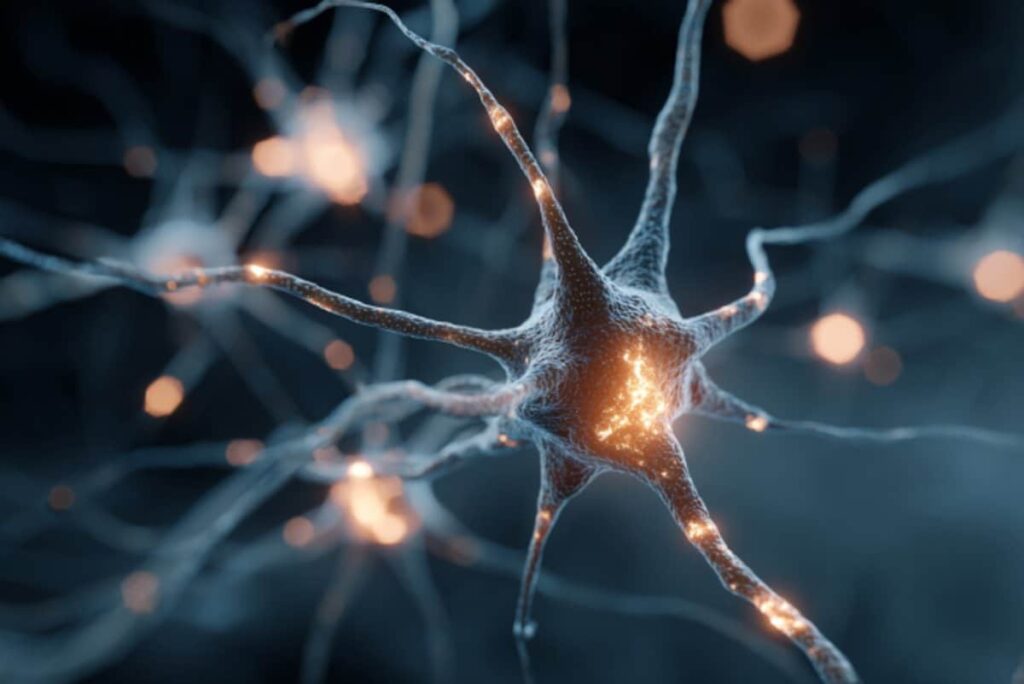
Summary: Researchers have identified a rare type of brain cell whose overactivity may contribute to schizophrenia-like symptoms, such as cognitive deficits and disrupted sleep. When scientists reduced the activity of these cells in mice with a schizophrenia-linked mutation, the animals’ behavior and sleep patterns normalized. The findings suggest these neurons play a critical role in […]
Imperfect Parenting: How Early Neglect Reshapes the Developing Brain

Summary: New research shows that even mild early-life adversity can disrupt development, attachment, and stress regulation in young mice. When mother mice had limited nesting material, their maternal care decreased, leading to higher stress hormones, slower growth, and anxiety-like behaviors in their pups. The study found that these behavioral effects varied over time—some attachment responses […]