
New Therapy Reshapes Images That Fuel Psychosis

Summary: A new imagery-focused therapy called iMAPS may help people with psychosis gain control over disturbing mental images that fuel paranoia, fear, and hallucinations. In a feasibility trial of 45 participants, the approach showed strong patient engagement and meaningful reductions in distress by teaching individuals to understand, transform, and re-script intrusive images. Unlike standard treatments—which […]
New Drug Exposes Hidden Subtypes of Psychosis

Summary: A new study examining real-world hospital data reveals early indicators of who is most likely to benefit from Cobenfy, the first new schizophrenia drug mechanism approved in 50 years. Patients with strong negative symptoms responded best to the xanomeline–trospium combination, showing notable improvements in social behavior and mood. Those with bipolar-like features or aggression […]
New Study Uncovers the Structural Key to How Cells Ship Cargo
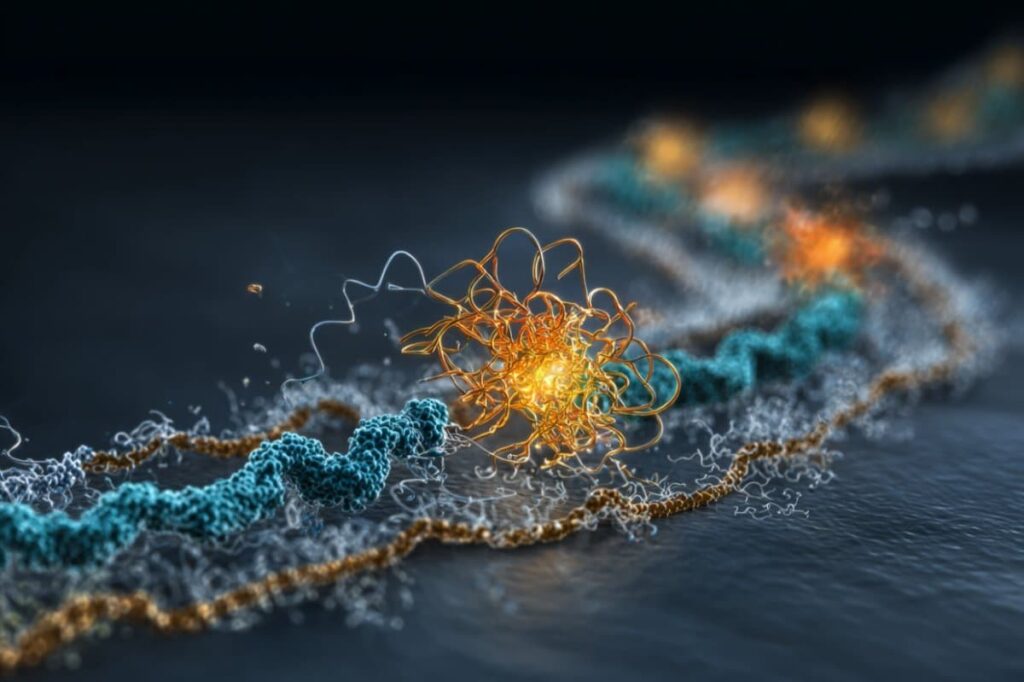
Summary: Researchers have identified a previously unknown “hook-like” domain in the tail of the kinesin-2 motor protein that explains how these molecular machines select the right cargo inside cells. Using cryo-electron microscopy and simulations, the team mapped the HAC domain’s atomic structure and showed how it binds both adaptor proteins and cargo, forming a highly […]
Meditation Retreat Sparks Rapid Brain & Immune System Changes
Summary: A week-long retreat combining meditation and mind-body healing produced significant changes in brain activity and blood biology, demonstrating how consciousness-based practices can transform physical health. Participants showed reduced default-mode activity, enhanced neural connectivity, elevated natural opioids, immune activation, and metabolic shifts—effects that extended beyond the brain into the entire body. Blood plasma collected after […]
AI-Driven Brain Implant Brings “Two-Way” Artificial Vision Closer to Reality
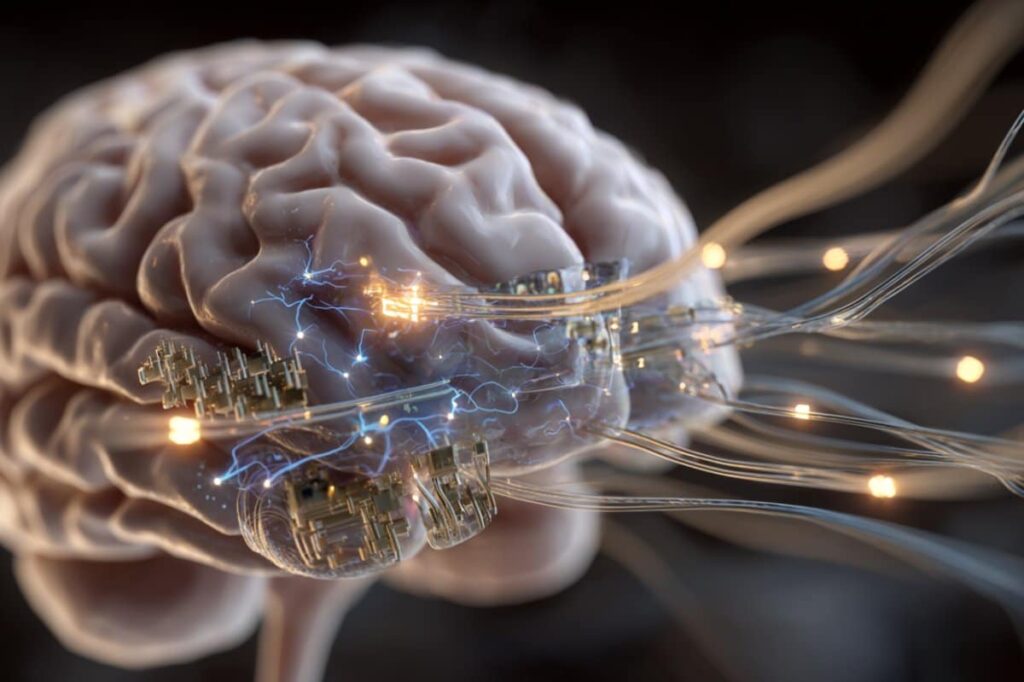
Summary: Scientists have created an advanced visual neuroprosthesis that communicates bidirectionally with the brain, marking one of the biggest steps yet toward restoring functional vision. Unlike earlier devices, this closed-loop implant adapts in real time to neural activity, allowing the system and the brain to “learn” from each other. In two blind volunteers, the implant […]
Oxidative Stress May Drive Repetitive Behaviors Linked to Autism, OCD
Summary: A new study shows that oxidative stress—an imbalance between damaging molecules and antioxidants—may contribute to repetitive behaviors observed in mice, similar to those seen in autism spectrum disorder and schizophrenia. Researchers found that higher levels of oxidative stress biomarkers, including glutathione and specific proteins, were linked to more severe stereotypies in young mice. These […]
Early Trauma Hardwires the Brain for Aggression and Self-Harm

Summary: A new study reveals that aggression and self-harm share a biological foundation in the brain’s response to early-life trauma. Researchers discovered that trauma increases activity in calcium channels within a neural circuit connecting the nucleus reuniens and hippocampus, amplifying pain processing and impulsive behavior. This hyperactivation predisposes individuals to both self-injury and aggressive outbursts […]
Your Neighborhood Could Influence Your Risk of Dementia
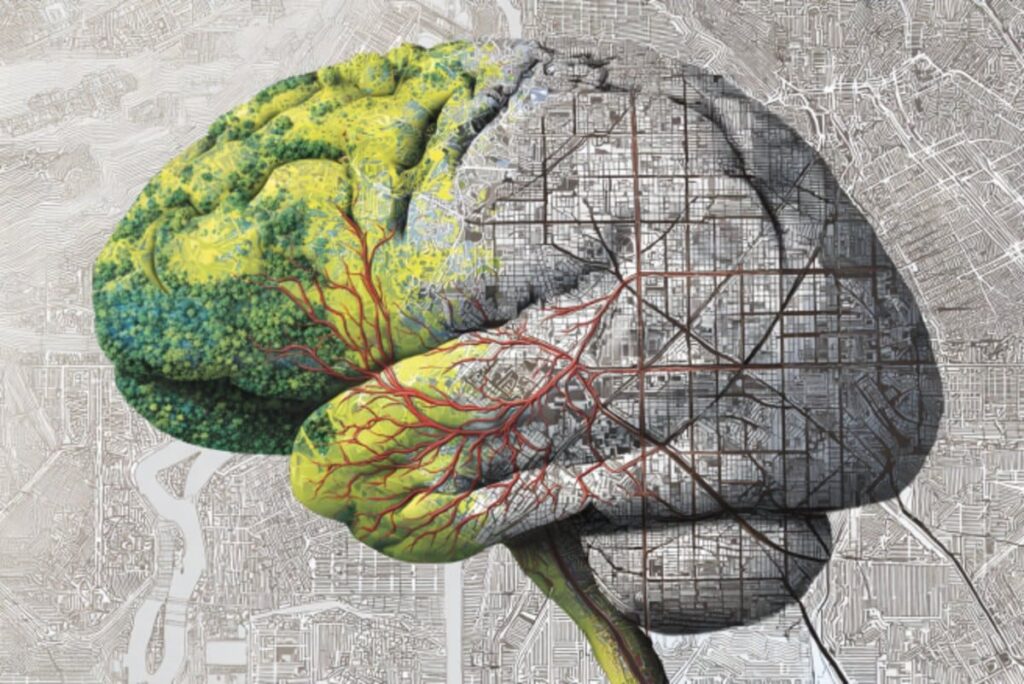
Summary: Researchers found that living in a socioeconomically deprived neighborhood can harm brain health as early as midlife. People from these areas showed more signs of small-vessel brain damage, slower thinking skills, and poorer control of lifestyle factors such as blood pressure, obesity, and sleep. The findings suggest that deprivation indirectly affects the brain through […]
Brain’s Immune Cells Found to Protect Against Alzheimer’s Damage
Summary: Researchers have uncovered how the brain’s immune cells, called microglia, can act as protectors rather than destroyers in Alzheimer’s disease. By lowering the immune regulator PU.1, microglia began expressing lymphoid-like receptors that reduced inflammation and preserved cognitive function in mouse models. Removing CD28, a key receptor on these protective cells, reversed the benefit—accelerating plaque […]
Antibiotic Doxycycline May Cut Schizophrenia Risk

Summary: A large population-based study suggests that doxycycline, a common antibiotic, may reduce the risk of schizophrenia when prescribed to adolescents receiving mental health care. Researchers analyzed data from more than 56,000 young patients and found that those who took doxycycline had a 30–35% lower chance of developing schizophrenia later in life. The effect is […]